Imagine stepping outside on a Saturday morning and having a paved trail, a shaded picnic grove, or a quiet fishing spot just minutes from your door. If you love fresh air and easy weekend plans, living near parks in Montgomery County can shape your daily rhythm in the best way. In this guide, you’ll see how the county’s green spaces fit into real life, which parks locals use most, what housing types cluster near them, and a few smart tips to know before you move. Let’s dive in.
The big‑picture perks
Montgomery County maintains a broad system of parks, historic sites, and multiuse trails that people use year round. You have access to more than 6,000 acres of public open space and about 100 miles of regional trails, and usage has been rising as more residents plug into the network. You can scan these countywide highlights in the county’s Year in Review summary for a quick snapshot of scale and momentum (Montgomery County Year in Review 2024).
What does that mean for your day to day? You can plan low‑stress weekends without leaving the county. Many trails are family‑friendly and connect directly to towns for coffee stops or playground time. You also have water access at certain parks for paddling or fishing, plus state and national sites that bring history and nature together.
Park‑to‑life snapshots
Valley Forge National Historical Park
If you live near King of Prussia or the western side of the county, Valley Forge often becomes your big backyard. The park protects roughly 3,500 acres and blends history with wide open space. Families use the paved loops for stroller walks and easy bike rides, and you will find picnicking and seasonal programs throughout the year. Valley Forge also supports dog‑friendly routines through its B.A.R.K. Ranger program and posted guidelines. Learn more on the official park page for Valley Forge National Historical Park.
Lifestyle tip: Weekend mornings are popular. If you like quiet, arrive early or explore midweek.
Green Lane Park
Up in northwestern Montco, Green Lane is the county’s all‑season outdoor hub. You have reservoir access for paddling and fishing, a network of hiking and mountain‑bike trails, equestrian routes, and group camping options. Leashed pets are welcome, and the park runs family‑oriented events and nature programs. Check amenities and programs on the county’s page for Green Lane Park.
Lifestyle tip: If your weekends revolve around water, Green Lane can anchor your routine. Expect more activity on summer afternoons near boat launches.
Perkiomen Trail
The Perkiomen Trail runs for about 20 miles, linking Valley Forge/Oaks to Green Lane Park and several small towns along Perkiomen Creek. Surfaces are friendly for family bike rides and longer training runs. You can park in town, ride a segment, then settle into a café or picnic area near the trailhead. See maps and access points on the county’s Perkiomen Trail page.
Lifestyle tip: Use the trail to build repeatable weekend rituals, like a Saturday ride from Schwenksville to Collegeville with a stop for lunch.
Schuylkill River Trail
In Montgomery County, the Schuylkill River Trail serves as the main east‑west corridor along the river. There are about 18 miles completed within the county, and segments link riverfront neighborhoods, Conshohocken, Manayunk, and Valley Forge. Many residents use it for daily exercise and, in some cases, for bike commutes that connect with Regional Rail. Get conditions and updates on the county’s Schuylkill River Trail page.
Lifestyle tip: Riverfront segments get busy on nice weekends. Plan rides early or choose a quieter segment upstream.
Norristown Farm Park
Closer to the center of the county, Norristown Farm Park offers about 690 acres of meadows, paved paths, historic buildings, and trout‑stocked streams. It is great for short family loops, birding, and seasonal programs. Learn more on the Norristown Farm Park page.
Lifestyle tip: If you like open, meadowlike walks and easy parking, this park slots nicely into weekday evenings.
Fort Washington State Park and Evansburg
Fort Washington State Park is nearly 500 acres with picnic areas, a hawk‑watch platform, and accessible trails. Nearby Evansburg adds meadows and multiuse trails for low‑key weekend time. Fort Washington’s official page outlines typical activities and access points. Explore Fort Washington State Park to see if it fits your routine.
Lifestyle tip: Spring and fall bring standout birding. Pack binoculars for hawk‑watch days.
John James Audubon Center at Mill Grove
Mill Grove blends a historic estate, interpretive exhibits, and more than five miles of marked trails. It is a reliable pick for short educational visits that keep kids engaged, plus longer wildlife walks for weekends. Program details are available through the John James Audubon Center at Mill Grove.
Lifestyle tip: Pair a morning trail loop with time in the museum for an easy, weather‑flexible plan.
Getting around on trails
Many residents use the Schuylkill River Trail and the Perkiomen Trail as daily exercise routes and, in some neighborhoods, as part of a bike‑to‑transit commute. If you live near Conshohocken or Norristown, you can often mix Regional Rail and trail segments for city access while keeping your suburban home base.
Family‑friendly surfaces
- Paved or well‑compacted segments on the Schuylkill River Trail and sections of the Perkiomen are stroller‑ and bike‑friendly for most families.
- Some routes, like singletrack at Green Lane and certain wooded connectors, are better suited to hiking or mountain biking.
Trail alerts and etiquette
- Check county trail pages for temporary closures and construction, especially after storms. The county updates the Schuylkill River Trail page with alerts and detours.
- Follow posted speed limits, keep dogs leashed where required, and pack out what you carry in. A little courtesy keeps the network safe and enjoyable for everyone.
Seasons, events, and pet routines
Montco’s park calendar gives you something in every season. Spring and fall are peak trail months thanks to mild weather, wildflowers, and foliage. Summer brings more paddling, fishing, and family picnics at water‑access parks like Green Lane. Winter sometimes allows cross‑country skiing and sledding when conditions permit.
Expect a steady stream of nature walks, seasonal festivals, and volunteer days. Programs run at county sites and places like Mill Grove. If you are a dog owner, many parks welcome leashed pets and Valley Forge’s B.A.R.K. guidance makes it easy to plan dog‑friendly outings. Always double‑check site‑specific rules before you go.
Housing near parks: What to expect
Living near a park or trail usually shapes the way you use your home and weekends. Here is how different areas tend to feel:
River and trail towns
If you want to walk or roll onto the Schuylkill River Trail, look at riverfront neighborhoods near Conshohocken or parts of Norristown. You will find a mix of newer condos and townhouses, smaller yards, and direct trail access. This setup suits you if you value shorter commutes and frequent trail time.
Suburban single‑family neighborhoods
In areas like King of Prussia, Plymouth Meeting, or Fort Washington, you will see a mix of mid‑century and newer single‑family homes with yards. People here often drive a few minutes to big parks such as Valley Forge or Fort Washington State Park. It is a comfortable balance of space and easy outdoor access.
Rural edge and small‑town settings
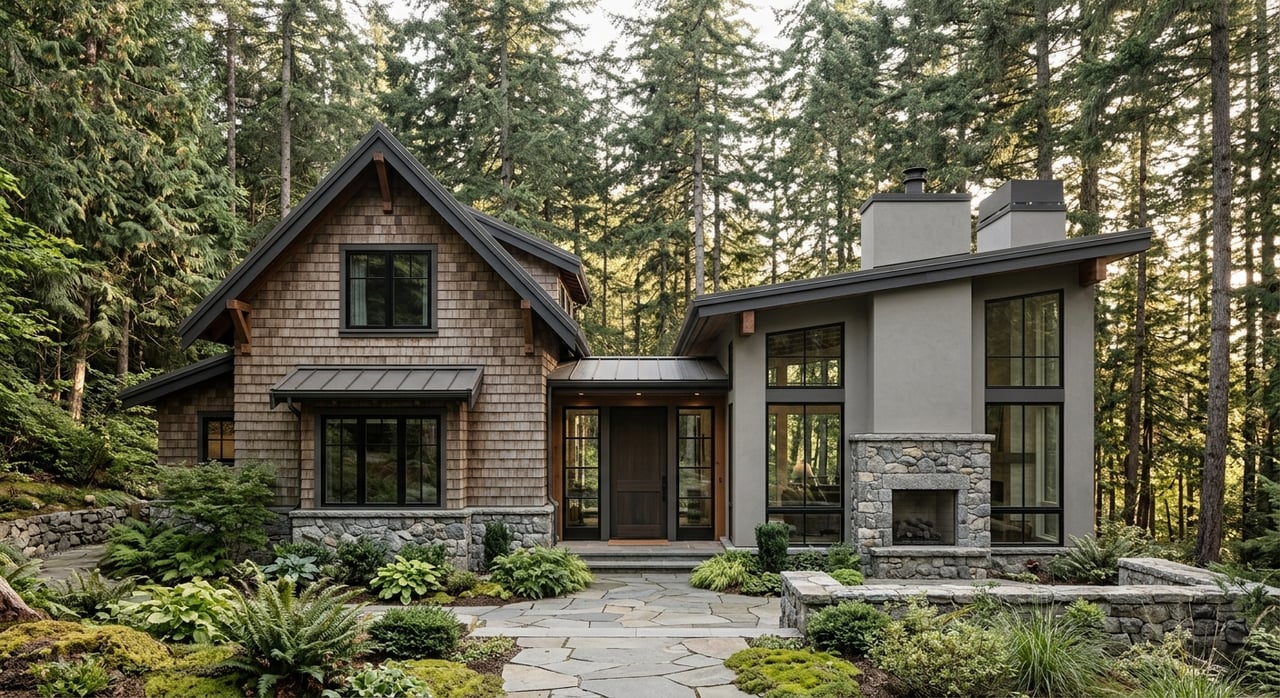
Near Green Lane and in parts of the Upper Perkiomen region, you may find more acreage, detached homes, and farm properties. Weekends often revolve around the park as if it were an extension of your backyard.
Historic and village settings
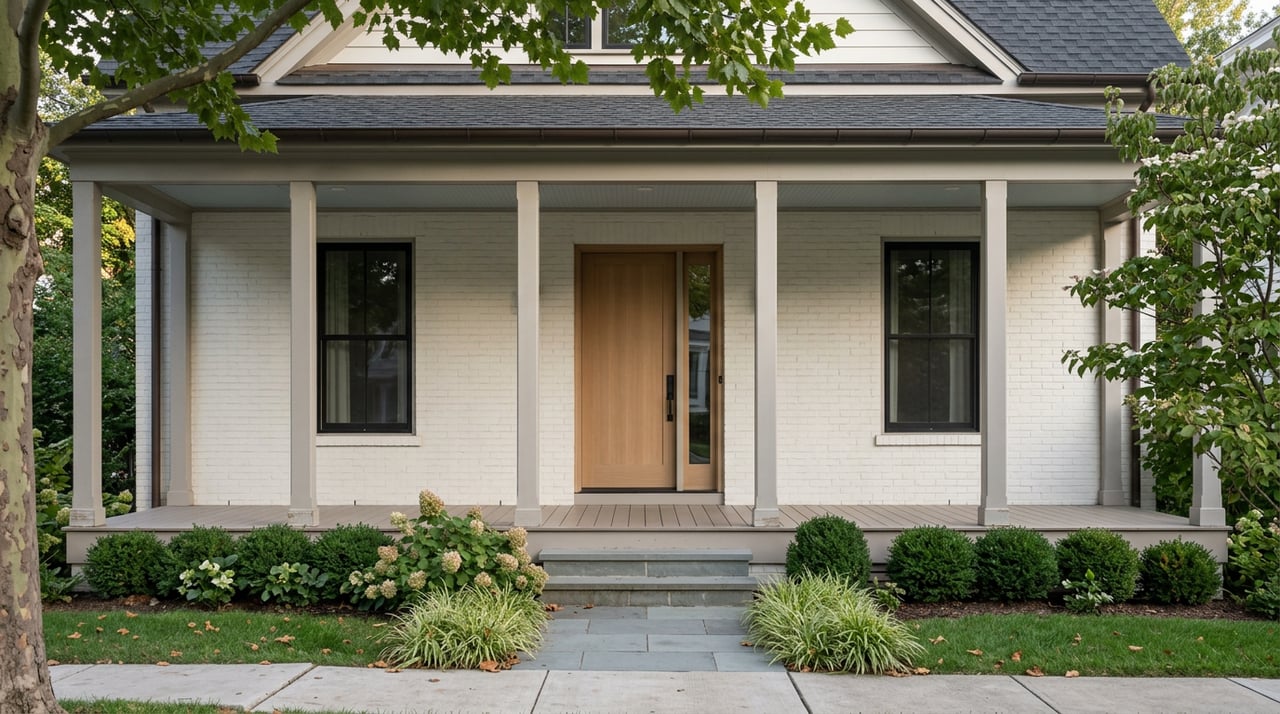
Areas near Norristown Farm Park and Mill Grove feature older colonial or Victorian homes on mid‑sized lots. If you appreciate preserved open space paired with local history, this can be a compelling fit.
Common tradeoffs to factor in
- Popular trailheads bring weekend traffic and limited on‑street parking near access points.
- Wooded edges mean more leaf cleanup and pest management than inner‑suburb lots.
- Be tick‑smart. Pennsylvania has high Lyme disease incidence. Review prevention basics in the CDC’s guidance on surveillance and protection (CDC Lyme disease overview).
Practical tips before you move
- Confirm pavilion and picnic reservations. Many county pavilions require online booking and fees. You can check current rules on the county’s Pavilion Rentals page.
- Look up trail alerts for any route you plan to use for commuting or daily exercise. The county posts updates on individual trail pages such as the Schuylkill River Trail.
- If a property backs to a creek, floodplain, or preserved land, ask your advisor about easements and local zoning. Review township rules and FEMA maps, and note that parks like Norristown Farm Park include documented floodplain sections in their site materials.
- For family biking, verify surfaces and recommended uses on official trail pages. The Perkiomen Trail page lists surfaces, access points, and distances.
- Map your everyday loops. If you rely on evening rides or weekend paddles, test those routes during your home search to confirm drive times, parking, and lighting.
When you are ready to match a neighborhood to your outdoor lifestyle, our team can help you weigh commute options, property types, and access to the parks that fit your routine. Start the conversation with Philly Home Advisors | Philly CRE Advisors.
FAQs
What is the overall scale of Montgomery County parks and trails?
- The county reports more than 6,000 acres of public open space and roughly 100 miles of regional trails, supporting year‑round outdoor routines.
How family‑friendly are the Perkiomen and Schuylkill River trails?
- Both offer long, mostly smooth segments that are popular for family bike rides, with frequent access points and town connections for easy stops.
Can you bring dogs to parks like Valley Forge and Green Lane?
- Many parks allow leashed dogs. Valley Forge promotes a B.A.R.K. program with on‑site guidance, and Green Lane permits leashed pets. Always check site‑specific rules.
Will living near the Schuylkill River Trail help my commute?
- It can. Some neighborhoods combine trail access with Regional Rail, making a bike‑to‑train commute possible while keeping a suburban home base.
What tradeoffs come with living right next to a park or trailhead?
- Expect busier weekends, potential parking limits near access points, more yard maintenance near woodlands, and the need for tick‑smart habits.
Which parks are best for quick educational outings with kids?
- Valley Forge offers ranger programs, and the John James Audubon Center at Mill Grove pairs short trails with exhibits, making it easy to mix learning and fresh air.