Thinking about swapping a Philadelphia rowhome block for more driveway space, a yard, and a different daily rhythm? If you are considering a move to Gloucester County, you are probably weighing more than price alone. You want to know how the housing stock feels, what the commute really looks like, and how everyday life may change. This guide walks you through what to expect so you can plan your move with more confidence. Let’s dive in.
Gloucester County at a Glance
Gloucester County sits on the eastern bank of the Delaware River and is closely tied to the Philadelphia region. According to county fast facts, it is about 15 minutes from downtown Philadelphia by way of the Walt Whitman Bridge. The county includes 24 municipalities and a large road network, which helps explain why daily life often feels more car-oriented than city living.
The county had an estimated population of 312,638 in July 2025. Census data also shows an owner-occupied housing rate of 80.1%, a median owner-occupied home value of $310,400, a median gross rent of $1,531, and a median household income of $105,115. For many Philadelphia buyers, that points to a market where homeownership is common and housing patterns often look more suburban than urban.
Housing Feels Different Here
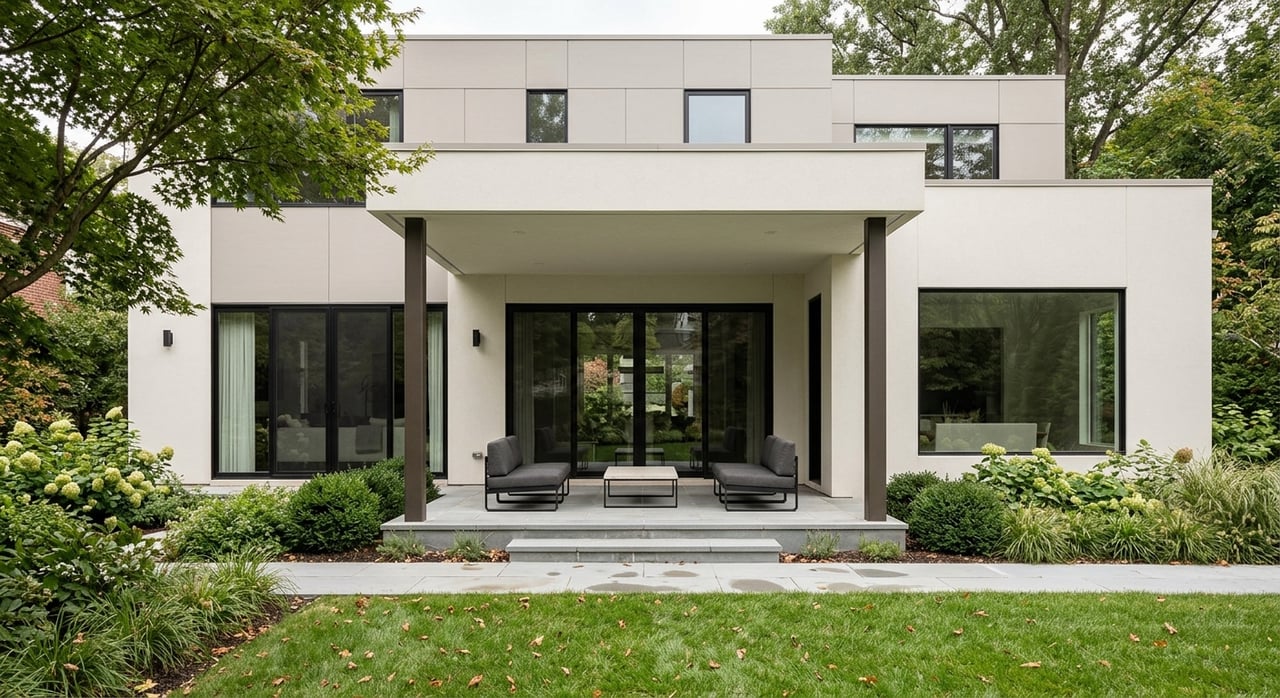
One of the biggest changes is not always cost. It is space. If you are moving from Philadelphia, especially from a rowhome or condo setting, you will likely notice a shift toward single-family homes, larger setbacks, and more private outdoor space.
DVRPC’s 2025 housing profile shows that about 72.8% of Gloucester County housing units were single-family homes in 2022. The same profile describes much of the county as a mix of low-density suburban and exurban neighborhoods, with some areas featuring newer suburban and rural housing patterns. In practical terms, that often means you may trade street-level convenience for more square footage, more parking, and a different neighborhood layout.
Lot Sizes Vary by Town
It helps to avoid thinking of Gloucester County as one uniform market. Lot sizes can vary sharply depending on the municipality, sewer access, and zoning district. That matters if you are moving for more land, more privacy, or a specific home style.
For example, Deptford Township has a residential district that allows 6,000-square-foot lots with water and sewer. In Harrison Township, minimum lot sizes can range from 18,750 to 21,750 square feet with sewer, or one acre without sewer in some districts. In Woolwich Township, conventional lotting can require 87,120 square feet, and one district also allows a 1.5-acre minimum lot size option.
The takeaway is simple. Many parts of Gloucester County will feel more suburban or semi-rural than Philadelphia, but the amount of space you get can change a lot from one town to the next. If lot size is a priority, you will want to compare towns carefully instead of assuming the whole county offers the same setup.
Costs May Shift, Not Always Drop
A move from Philadelphia to Gloucester County does not automatically mean lower housing costs. In many cases, the bigger change is the type of housing you get for your money. Gloucester County’s median owner-occupied home value is $310,400, while Philadelphia’s 2024 median owner-occupied home value was $253,600.
Median rent is also close between the two markets. Gloucester County’s median gross rent is $1,531, while Philadelphia’s reported median rent was $1,500. That means renters and buyers should think beyond headline pricing and focus on the full value equation, including size, layout, parking, yard space, and commute tradeoffs.
Commutes Often Become More Road-Based
If you are used to walking, transit, or short in-city drives, this may be one of the biggest lifestyle changes. Gloucester County’s transportation network is shaped by major road connections, including I-295, the New Jersey Turnpike, I-76, I-676, Route 42, Route 55, and US 322/County Route 536. The county’s road infrastructure supports regional access, but it also reinforces a more drive-oriented daily routine.
Census data puts the county’s mean travel time to work at 28.2 minutes. That is a useful baseline, but your actual commute will depend heavily on which municipality you choose and whether you plan to drive into Philadelphia, work locally, or use a mixed transit route.
Transit Is Still an Option
Moving to Gloucester County does not mean giving up on transit. NJ Transit lists direct South Jersey bus service from Gloucester County towns on routes including 400, 401, 402, 412, and 555. The county transit guide also highlights routes such as 401, 402, 412, 455, 463, and 403, along with transfer points.
Many Philadelphia-bound riders connect through the Walter Rand Transportation Center in Camden, where PATCO offers direct service into Center City. For some households, that setup can work well. Still, it is smart to test both the drive and the bus-plus-PATCO option before deciding where to live, because convenience can vary a lot by town.
Daily Life Becomes More Destination-Based
Another change you may notice right away is how errands work. In many Philadelphia neighborhoods, you may be used to walking to a corner store, grabbing coffee nearby, or making quick stops along the way home. In Gloucester County, shopping and errands often cluster around larger suburban retail areas.
Deptford Mall, for example, says it includes more than 125 specialty stores and restaurants, along with food, entertainment, and event space. That does not mean convenience disappears. It just often looks different. You may have more parking and larger shopping centers, but fewer day-to-day errands happen on foot.
Outdoor Space Plays a Bigger Role
If access to green space is part of your reason for moving, Gloucester County has a strong recreation profile. The county highlights activities such as water sports, fishing, concerts, nature strolls, pickleball, and tennis. That wider outdoor menu is a meaningful lifestyle difference for many former city residents.
The park system includes Scotland Run Park, which the county says is its largest park at more than 1,300 acres. Other notable public spaces include James G. Atkinson Park, Red Bank Battlefield, and Tall Pines State Preserve, which the county identifies as the first state park in Gloucester County. If you want room to spread out on weekends, this part of the move may feel like a major upgrade.
What You May Gain and Trade Off
Every move involves tradeoffs, and this one usually does too. Gloucester County often offers a housing pattern with more single-family homes, more yards, and more parking. At the same time, many buyers are moving away from Philadelphia’s denser retail fabric and more immediate street-level convenience.
That is why the decision works best when you match the town to your priorities. If your goal is more space and access to outdoor recreation, the move may feel like a strong fit. If your top priority is walkable errands and a more transit-first routine, your town selection becomes even more important.
How to Plan the Move
A good relocation plan usually starts before you tour homes. If you are buying in Gloucester County while selling in Philadelphia, timing matters. Your budget, sale proceeds, mortgage approval, and closing dates all need to line up.
A practical planning sequence includes:
- Organize your finances early.
- Budget for the full cost of homeownership, not just the purchase price.
- Get preapproved before you shop seriously.
- Compare commute options for each town you are considering.
- Build a timeline that coordinates your Philadelphia sale with your New Jersey purchase.
Closing costs are also worth planning for upfront. Consumer guidance cited in the research report says closing costs typically range from 2% to 5% of the purchase price, not including the down payment. That number can affect how much flexibility you have when moving from one home to the next.
Selling in Philadelphia First Can Simplify Timing
If you already own in Philadelphia, selling first often helps create a cleaner path. It can make it easier to understand your available proceeds, set your purchase budget, and coordinate deadlines with fewer surprises. It can also reduce the pressure of carrying two homes at once.
Because the loan closing and home purchase closing typically happen at the same time, coordination matters. Buyers should also expect title, escrow, and possibly attorney involvement at closing, and they should review closing documents before signing. In a move across state lines, even a short-distance one, organized timing can make a big difference.
Why Local Guidance Matters
Philadelphia-to-Gloucester moves sound simple on a map, but they often involve meaningful shifts in housing type, commuting patterns, and the pace of daily life. What works in one Gloucester County municipality may feel very different in another. That is why local market knowledge matters when you are comparing options and trying to avoid an expensive mismatch.
The right guidance can help you weigh space, price, commute, and resale considerations together instead of looking at any one factor in isolation. If you are planning to sell in Philadelphia and buy in South Jersey, a coordinated strategy can help you move with more clarity and less friction.
If you are thinking about making the move from Philadelphia to Gloucester County, Philly Home Advisors can help you map out the sale, search, and timing strategy with a practical, data-driven approach.
FAQs
What is Gloucester County like compared with Philadelphia?
- Gloucester County generally feels more suburban or semi-rural than Philadelphia, with more single-family homes, more parking, more yards, and more destination-based errands.
Is Gloucester County cheaper than Philadelphia for homebuyers?
- Not always. The research shows Gloucester County has a higher median owner-occupied home value than Philadelphia, so the bigger change is often space and housing type rather than lower cost.
Can you commute from Gloucester County to Philadelphia without driving?
- Yes, in some cases. NJ Transit bus routes serve Gloucester County, and some commuters connect in Camden to PATCO for direct service into Center City Philadelphia.
Do homes in Gloucester County usually have larger lots than Philadelphia homes?
- Often yes, but lot sizes vary widely by municipality, zoning district, and sewer access, so it is important to compare specific towns.
What should you do first when moving from Philadelphia to Gloucester County?
- Start by organizing your finances, budgeting for full ownership costs, getting preapproved, and creating a plan that coordinates the sale of your Philadelphia home with your New Jersey purchase.