Not sure which Philadelphia neighborhood is the right fit for your condo search? You’re not alone. With so many lively pockets, building styles, and commute options, it helps to match your day-to-day priorities with what each area offers. This guide compares top condo neighborhoods, explains building and HOA basics, and gives you a due diligence checklist you can use before you make an offer. Let’s dive in.
How to choose your Philly condo neighborhood
Map your daily life first
Think about how you live and move around the city. Walkability and transit access often align with stronger resale and faster market movement, especially near SEPTA stations and Center City job hubs. If a short commute, nightlife, and retail matter most, focus on addresses with high walkability and close transit service.
Clarify space, amenities, and vibe
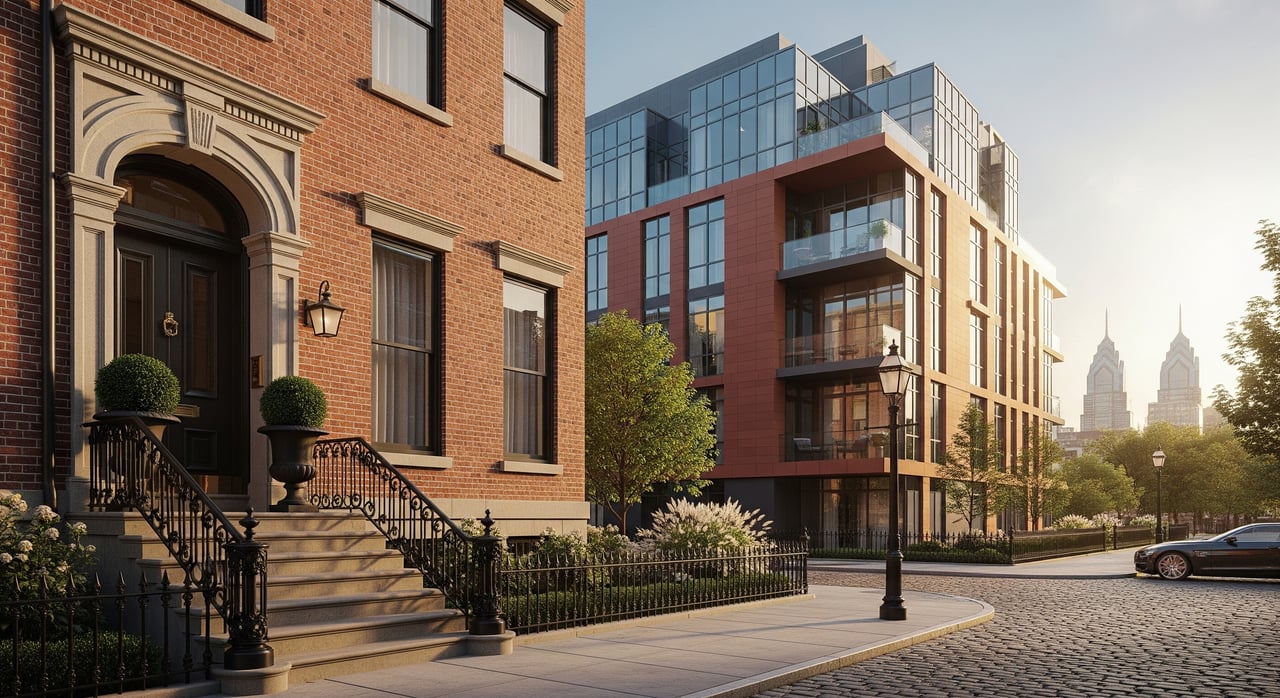
Decide whether you prefer a high-rise with elevators and doorman service or a boutique building or rowhouse conversion with lower monthly costs. Historic buildings offer character but may come with specialized maintenance needs. If fitness rooms, rooftop decks, or on-site parking are priorities, shortlist buildings that keep amenities in excellent condition.
Think long-term value
Employment anchors like Center City offices and University City’s universities and medical institutions support demand and neighborhood amenities. New development can add supply in the near term while lifting a neighborhood’s profile over time. Building-level dynamics, including investor concentration and HOA policies, also influence future financing options and resale demand.
Quick neighborhood comparison for condo buyers
- Center City (Rittenhouse, Washington Square West, Society Hill, Old City): Ultra-walkable with extensive transit. Mix of high-rise towers and historic conversions near parks, dining, and culture. Strong fit if you want an amenity-rich urban lifestyle.
- University City: Easy access to the Market-Frankford Line, trolleys, and Regional Rail. Newer mid-rises and conversions surrounded by research, medical, and campus energy. Good for faculty, staff, and investors drawn to institutional demand.
- Graduate Hospital / South Philadelphia (Passyunk, Fitler Square adjacency): Walkable pockets with boutique condos and new infill. Appeals if you want more space and value while staying close to Center City.
- Northern Liberties & Olde Kensington / Fishtown: Trend-forward dining, arts, and nightlife with lofts, mid-rises, and conversions. Suits first-time buyers and creatives who value local culture and quick access to transit corridors.
- Fairmount / Art Museum: Cultural anchors, trail access, and a mix of historic and modern condo options. Works well if you want green space and bikeable access to Center City.
- Old City & Society Hill: Historic core with boutique buildings and lofts, plus excellent walkability. Great if you want character, galleries, and a short commute to civic and cultural employers.
- Chestnut Hill & Manayunk: Village-style main streets with Regional Rail access and small condo associations. If you want a quieter feel with more outdoor options, consider these.
- Emerging areas (Brewerytown, Point Breeze, parts of West Philadelphia and Kensington): Active redevelopment and new residential projects offer lower entry points. Evaluate block-level trends and planned public or private investments carefully.
Center City highlights
Center City is one of the most walkable areas in Philadelphia, with frequent bus routes, subway access, and short bike rides to everything. You’ll find high-rise towers, luxury conversions, and historic buildings near parks and cultural venues. Demand stays strong due to limited developable land and major employment centers. Keep an eye on how office trends affect retail and daytime activity.
University City
This district benefits from Penn, Drexel, and major medical employers that keep foot traffic and transit strong. Condo options include newer mid-rise developments and conversions that appeal to faculty, staff, and investors. Ongoing campus and research projects can support long-term value. Building cultures may vary due to higher rental turnover, so review HOA rules closely.
Graduate Hospital / South Philadelphia
You’ll see low-rise condo conversions, boutique buildings, and mid-rise infill close to Center City. Restaurants and independent retail continue to expand along key corridors. Buyers often target this area for more space and value relative to Rittenhouse or Washington Square West. Transit access varies by pocket, so map your commute.
Northern Liberties & Fishtown
These neighborhoods deliver lively dining, breweries, music venues, and a creative scene. Expect loft conversions and smaller condo projects alongside new mid-rises near the Market-Frankford Line. Appreciation has been strong in recent years. As with any entertainment-driven area, monitor retail cycles and rental demand.
Fairmount / Art Museum
Cultural anchors like the museum district and easy access to the riverfront trail make this a steady choice. You’ll find historic rowhouse conversions and modern buildings with a neighborhood feel. Long-term appeal is supported by major institutions and green space. Value perception can vary block by block, so compare nearby comps.
Old City & Society Hill
This is a historic core with excellent walkability and transit access, plus PATCO connections. You’ll find boutique condos and unique loft spaces near galleries and historic sites. Limited new supply in some pockets supports values. Factor in potential maintenance needs in older buildings during your due diligence.
Chestnut Hill & Manayunk
These are close-in options with village-style retail and Regional Rail access. Condo offerings include small associations, duplexes, and rowhouse conversions. The atmosphere is quieter than Center City, with more green space nearby. Commutes to downtown are longer, so plan accordingly.
Emerging neighborhoods to watch
Brewerytown, Point Breeze, parts of West Philadelphia, and Kensington corridors are seeing redevelopment and new residential projects. Entry prices can be lower, which attracts first-time buyers and investors. Resale performance can vary more due to uneven infrastructure investment. Review municipal plans and nearby projects to gauge momentum and timelines.
HOA, building, and financing essentials
Association health matters
Request the operating budget, reserve fund balance, and history of special assessments. Low reserves or frequent assessments can affect monthly costs and future resale. Review meeting minutes for upcoming capital projects, litigation, or policy changes. Understand rental policies and investor concentration because they can impact financing and building culture.
Building condition and amenities
In older buildings, pay close attention to envelope, roof, elevators, and mechanical systems. Historic properties may require specialized maintenance like masonry or window restoration. Amenities add value when well run, but deferred maintenance can pressure reserves. Confirm who is responsible for interior coverage under the master insurance policy.
Financing and lender approvals
Many lenders review condo projects for items like owner-occupancy ratios, reserves, and insurance. FHA and VA loans require project approvals that not all buildings maintain. Ask your lender early about building qualifications and any condo addenda. A strong pre-approval helps you move quickly when the right unit hits the market.
Taxes and insurance basics in Philadelphia
Philadelphia and Pennsylvania levy transfer taxes and other closing costs that vary by deal structure. Property taxes are set by city assessments and rates that can differ from nearby suburbs. Flood risk and stormwater factors matter for lower-lying or river-adjacent blocks. Verify current rates and insurance needs with local title professionals and your lender.
Due diligence checklist before you write an offer
- Condo declaration, bylaws, house rules, and management agreement.
- Current operating budget, most recent audited financials, and reserve study.
- Special assessment history and current delinquency rates.
- Association meeting minutes for the past 12 to 24 months.
- Master insurance policy summary and recommended HO-6 coverage scope.
- Any pending litigation involving the association or developer.
- Recent engineering and inspection reports, plus elevator and facade plans.
- Unit-specific history of assessments and major repairs or warranties.
- Rental policy, percentage of units rented, and short-term rental limitations.
- Lender project approval status for FHA, VA, and conventional loans.
- Recent comparable sales in the building and immediate area.
- Neighborhood factors: walkability and transit access, flood maps, crime statistics, and planned public or private developments.
Smart next steps
Start with your non-negotiables: commute time, walkability, building type, and amenities. Tour neighborhoods at different times of day, and review HOA documents before you fall in love with a unit. Ask your lender about condo project requirements early to avoid surprises. When you’re ready for a block-by-block strategy and vetted building insights, connect with the team at Philly Home Advisors | Philly CRE Advisors to plan your search.
FAQs
Which Philadelphia neighborhoods balance price and walkability for first-time condo buyers?
- Consider Northern Liberties, Fishtown/Olde Kensington, Graduate Hospital pockets, and parts of Fairmount that offer walkable main streets, access to transit, and varied condo stock.
How do HOA fees affect my monthly condo cost in Philadelphia?
- HOA fees cover shared expenses like insurance, maintenance, and amenities, and they vary by building; review the budget, reserves, and upcoming projects to understand true monthly costs.
Do all Philadelphia condo buildings qualify for FHA or VA financing?
- No; many lenders require specific project approvals and owner-occupancy ratios, so ask your lender early about the building’s eligibility and any extra condo documentation.
How can I evaluate a Philly condo association’s financial health?
- Review audited financials, the reserve study, assessment history, delinquency rates, and recent meeting minutes to identify capital needs and potential cost increases.
What are the risks of buying in an emerging Philadelphia neighborhood?
- Resale can be more variable due to uneven retail and infrastructure investment; research block-level trends and planned public or private projects before committing.
How do universities and hospitals influence condo values in Philadelphia?
- University City and nearby areas benefit from steady demand from faculty, staff, and medical professionals, which can support amenities, transit, and long-term desirability.