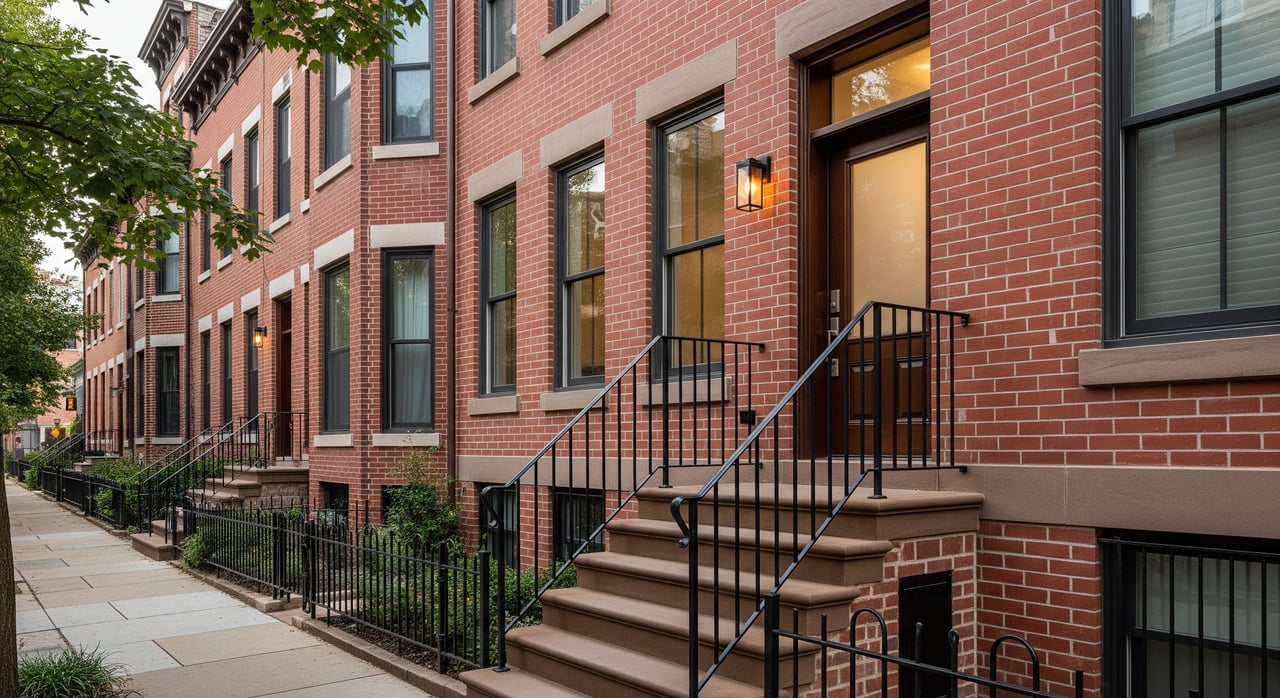
Thinking about buying a Philadelphia rowhome to renovate for profit or long-term cash flow? You’re not alone. Investors and house-hackers love Philly’s classic blocks, flexible layouts, and steady demand. In this guide, you’ll learn how to spot the right opportunities, plan smart renovations, navigate city rules, and run the numbers like an investor. Let’s dive in.
Why Philly rowhomes work for investors
Philadelphia has one of the country’s deepest inventories of attached rowhomes, much of it built in the late 1800s to early 1900s. These homes often have narrow fronts, shared party walls, and multiple stories. Inside, they are highly adaptable, which makes layout upgrades and added baths practical paths to value.
Renovation activity is common in neighborhoods like Fishtown, Northern Liberties, Graduate Hospital, Point Breeze, South Philadelphia, parts of West Philadelphia, and pockets of North Philadelphia. Values and rents vary by block, so you should study block-level comparable sales and rental comps before you buy. Inventory of fully renovated homes can be tight, which creates an opening if you can add livable square footage and modern systems.
Inspect what drives costs
Older rowhomes can hide expensive issues. A careful inspection and scope will protect your budget and your exit plan.
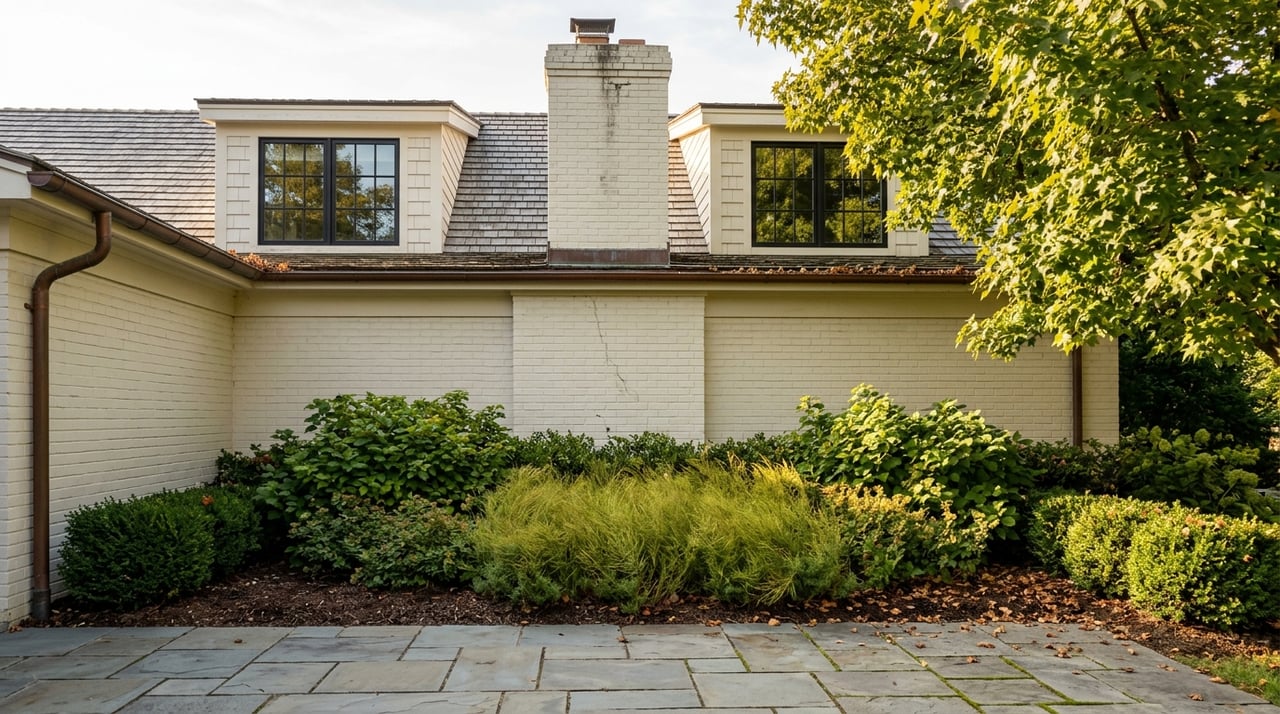
- Structure and roof: Look for joist sag, settlement near party walls, chimney and rear-wall cracks, and worn flat roofs or parapets. These items affect safety and are costly to fix.
- Water management: Basements with dampness, hydrostatic pressure, or poor rear-yard drainage often need French drains or sump pumps. Water issues affect habitability and insurance.
- Electrical and plumbing: Outmoded panels, limited circuits, cloth wiring, cast-iron or galvanized plumbing, and old water or sewer laterals can limit your renovation plan and add cost.
- HVAC and insulation: Many rowhomes lack modern insulation and have aging heaters. Efficiency upgrades can improve comfort and reduce operating expenses for rentals.
- Environmental hazards: Pre-1978 homes may have lead-based paint. Asbestos can show up in old pipe insulation, tiles, or roofing. Follow the federal EPA Renovation, Repair and Painting Rule and see HUD lead resources for requirements on safe work and disclosure.
Focus your budget on items that impact safety, durability, and future sale or refinance. Cosmetic work is easier to do later. Hidden problems typically emerge once walls open, so plan a healthy contingency.
Rehab cost tiers to expect
- Cosmetic refresh: Paint, floors, lighting, basic kitchen and bath updates. Fastest path to improved rent or resale in solid shells.
- Mid-level renovation: New kitchen and baths, HVAC or water heater, panel upgrades, some structural and finish work, and possibly a finished basement with proper egress.
- Full gut: Structural repairs, full systems replacement, major layout changes, roof work, and possible additions. Expect permitting, inspections, and longer timelines.
Plan within city rules
Philadelphia requires permits for most structural, electrical, plumbing, mechanical, and egress changes. The Department of Licenses & Inspections (L&I) also keeps online records of prior permits and violations. Reviewing those records during due diligence can save time and help you price risk.
Zoning controls use and density. Before you add units, a roof deck, or a rear addition, verify district rules and potential variances through the City’s zoning map viewer. If a property sits in a local historic district or is a designated building, the Philadelphia Historical Commission reviews exterior changes visible from the street. Plan extra time for windows, cornice repair, and façade work.
If you plan to rent, know the City’s landlord and rental requirements. Registrations and inspections change over time, so confirm the latest City guidance on licensing, habitability, and short-term rental rules. Owners are often responsible for service lines like water, sewer laterals, and gas, so check condition and permits for any needed replacements.
Finally, evaluate flood exposure using the FEMA Flood Map Service Center. Flood risk influences renovation scope, basement plans, and insurance.
Renovations that add value in Philly
Investors create value by improving function first, then finishes that fit the block.
- Kitchens that work: A modern, efficient layout often outperforms luxury finishes. Focus on storage, durable counters, and sight lines to living areas.
- Bathrooms that count: Adding a main-level half bath or an extra full bath is a proven value driver. In basements, confirm waterproofing, egress, ceiling height, and mechanical venting before adding a legal bath.
- Added bedrooms and finished space: Finishing English basements or reconfiguring attics can increase gross living area. Verify code-compliant egress and ceiling heights before counting these rooms.
- Flow and light: Removing non-load-bearing walls to create open sight lines can make narrow homes feel larger. Confirm structural loads and permits.
- Systems upgrades: New electrical, plumbing, and HVAC future-proof the home and support higher-capacity kitchens and baths.
- Energy efficiency: Air sealing, attic insulation, efficient HVAC and water heaters, and better windows can cut operating costs and appeal to renters.
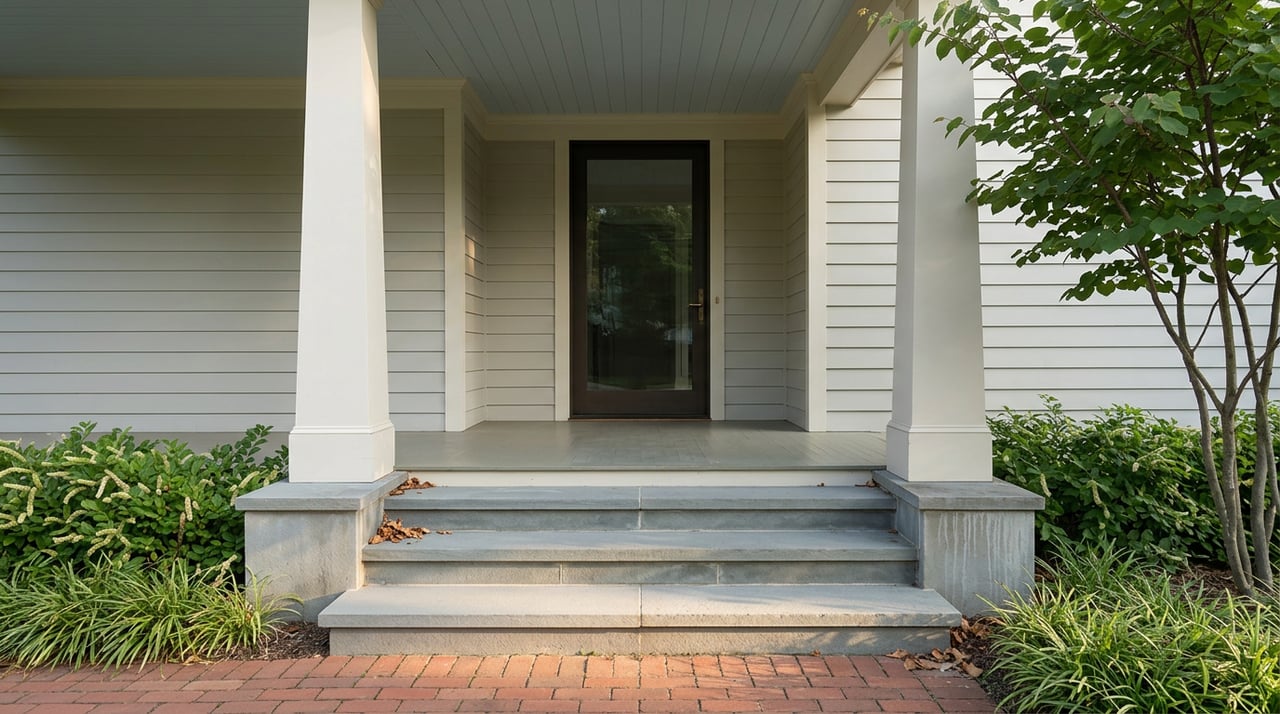
- Curb appeal: Clean façades, repaired stoops, fresh paint, and secure doors improve first impressions on narrow frontages. Where allowed, roof decks and usable rear yards add lifestyle value.
Avoid overbuilding. Ultra high-end finishes in modest blocks can hurt ROI. Match your finish level to recent renovated comps on the same or nearby blocks.
Underwrite like an investor
Start with renovated versus as-is comps to gauge your after-repair value and rent projections. Look closely at days on market and price trends nearby. For rentals, align the bed-bath mix with tenant expectations in that neighborhood and confirm space for in-unit laundry and storage.
Add realistic hold costs for taxes, insurance, utilities, and loan interest. Build a contingency of 10 to 20 percent or more for older homes and full guts. Permit reviews and inspections can add weeks to months. Historic review can also add time for any façade changes.
Key risks include unpermitted prior work, environmental remediation, and shifting block-level demand. Plan for these in your price and scope, and verify that your final product will meet rental licensure and lending standards.
Financing and exit options
Investors and house-hackers often blend speed and flexibility with cost control.
- Cash: Fastest for competitive deals, common for flips.
- Renovation loans: FHA 203(k) and Fannie Mae HomeStyle can bundle purchase and rehab for owner-occupants and some investors based on lender rules. Review details through HUD’s FHA 203(k) resources.
- Construction-to-permanent or short-term construction loans: Useful for major gut projects.
- Hard money or private lenders: Higher cost and shorter terms that demand a clear exit plan.
- HELOCs or seconds: Practical for owner-investors and house-hackers.
- Local incentives: Grants or programs sometimes support lead abatement, energy upgrades, or preservation. Check the Pennsylvania Housing Finance Agency at PHFA for state-level programs that may apply.
Exit paths include flips, long-term rentals, and house hacking. Keep renovation scope aligned with neighborhood sale prices and rental ceilings. Short-term rentals are tightly regulated in Philadelphia, so confirm zoning and registration before you count on that strategy.
Your due diligence checklist
Use this quick checklist to pressure-test your numbers and scope.
Pre-offer
- Walk the block at different times to gauge curb appeal and activity.
- Scan listing photos for red flags like makeshift additions or obvious water issues.
- Pull the property record on the Office of Property Assessment to view ownership, assessments, and improvements.
- Run a preliminary zoning lookup using the City’s zoning map viewer.
Under contract
- Order a full inspection focused on structure, roof, basement moisture, and systems.
- Add specialist checks: sewer lateral camera, electrical panel review, HVAC service, and testing for lead or asbestos if materials suggest it.
- Review permit and violation history on L&I’s portal.
- Verify flood risk on the FEMA Flood Map Service Center and confirm insurance availability and cost.
- Get ballpark bids for big-ticket items like roof, foundation, laterals, and a full-bath addition.
Pre-renovation
- Confirm required permits through L&I. If in a historic district, engage the Historical Commission early for façade work.
- Check egress and ceiling heights for any added bedrooms or basement living areas.
- If using a rehab loan, align your final scope with lender requirements.
Post-renovation
- Close all permits and inspections and secure final certificates prior to sale or refinance.
- If renting, complete the City’s rental registration and required inspections.
How we help investors and house-hackers
You deserve a partner who understands both the neighborhood story and the investment math. Our team pairs block-level comp analysis with zoning and feasibility checks to help you buy the right rowhome, set the right scope, and choose the right exit. With integrated residential and investment expertise, we help you plan an efficient path from acquisition to market.
If you are ready to evaluate your next Philly rowhome, connect with us. Schedule a consultation with Philly Home Advisors | Philly CRE Advisors to review comps, zoning, and a renovation plan that fits your budget and goals.
FAQs
How do I know if a basement bedroom is legal in a Philly rowhome?
- Check for proper egress, ceiling height, waterproofing, and mechanical venting. Confirm permit requirements with the Department of Licenses & Inspections.
Do I need approval to change windows or a cornice in a historic area?
- If the property is in a local historic district or designated individually, exterior changes visible from the street require review by the Philadelphia Historical Commission.
What contingency should I budget for an older rowhome rehab?
- Many investors plan 10 to 20 percent or more of hard costs, especially for full guts where hidden issues often appear.
Where can I check a property’s zoning and prior permits?
- Use the City’s zoning map viewer for district rules and the L&I portal for permits and violations.
How do lead-safe rules affect my renovation or rental plan?
- For pre-1978 housing, follow the EPA RRP Rule for safe work practices and review HUD lead guidance for disclosure and rental requirements.
What financing options can cover both purchase and rehab?
- FHA 203(k) and similar rehab programs can bundle costs in one loan for eligible borrowers. Start with HUD’s FHA 203(k) resources and ask lenders about program availability.