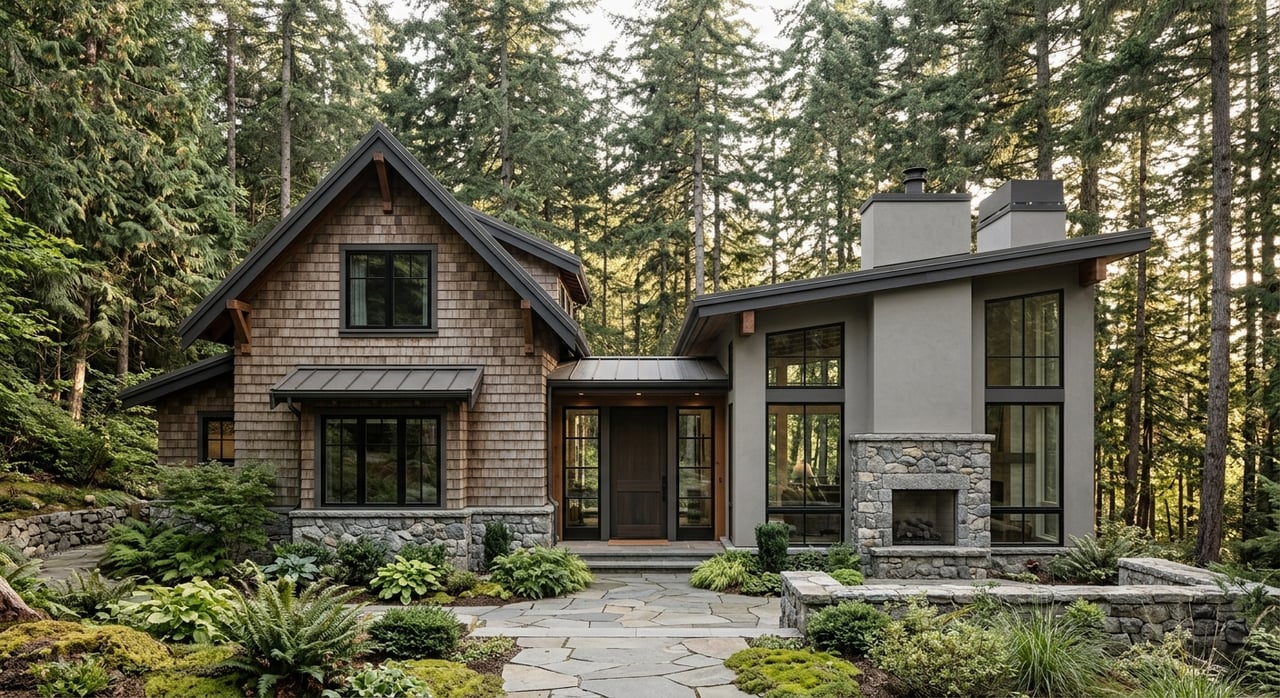
Trying to choose between building from scratch and buying a cabin in Ringwood? It is a bigger decision than style alone. In 07456, wooded lots, slope rules, tree regulations, and limited inventory can shape your options just as much as your budget. If you are weighing a custom-built home against an existing cabin, this guide will help you compare the tradeoffs and focus on what matters most. Let’s dive in.
Ringwood Buyers Face a Real Tradeoff
Ringwood sits in the Ramapo Mountains in a wooded Highlands setting with lake communities, state parks, trails, and watersheds. That natural setting is a big part of the appeal, but it also affects how easy or difficult it is to build, expand, or renovate.
The resale market in 07456 has also been relatively tight. Recent market snapshots showed 23 homes for sale, a median home price of $550,000, median days on market of 57, and a 104% sale-to-list ratio. With limited options and seller-friendly conditions, many buyers end up deciding between an existing character property and the longer path of building new.
Current listing snapshots also point to thin supply for both land and new construction. Recent portal data showed just 1 land listing and 1 new-construction listing in 07456. In practical terms, that means your search may quickly narrow to two paths: buy a cabin-style home that already exists, or pursue a custom build with a longer timeline.
Why a Custom Build Appeals
A custom build can be a strong fit if you want a home designed around your daily life. You may want a modern layout, updated systems, energy-efficient features, or a floor plan that an older cabin cannot easily provide.
Building from the ground up also gives you more control over finishes and long-term function. If your goal is personalization, it is hard to match the freedom that comes with starting fresh on the right parcel.
For some buyers, that control matters more than speed. If you know you plan to stay long term, designing for your needs from day one can be worth the extra effort.
What Building in Ringwood Actually Involves
In Ringwood, a custom build starts with zoning review, not construction. Applicants must submit a current survey and show that the project complies with zoning rules and the zoning map. If the project does not comply, a variance from the Board of Adjustment is required.
That process can affect timing in a major way. Ringwood’s permit instructions require New Jersey Uniform Construction Code forms, and permit packets request contractor registration details. For new homes, the building permit form requires the builder’s registration number, so paperwork and approvals are part of the process from the start.
The lot itself can be the biggest variable. Ringwood’s subdivision rules state that lots with an average slope over 20% are not permitted, and lot dimensions and setbacks must match zoning requirements. The code also says natural features such as trees, brooks, hilltops, and views should be preserved whenever possible.
Flood conditions and similar site issues can also affect approval. In a place like Ringwood, where the landscape is part of the value, topography and environmental limits are not minor details. They can shape whether a build is straightforward, expensive, delayed, or not feasible at all.
Tree Rules Can Change the Math
On wooded sites, tree regulations deserve close attention. Ringwood requires a tree-removal permit to cut or destroy trees, and specimen trees receive added protection.
These rules carry real consequences. The borough can stop building-permit issuance or issue a stop-work order if tree-removal requirements are violated. Tree removal connected to a residence, driveway, or septic-related work is tied to approved site plans or residential site plan approval.
That means a heavily wooded lot may not offer the blank slate it appears to offer online. Before you assume a home site, driveway path, or clearing plan will work, you need to understand what the borough may allow.
Why an Existing Cabin Can Be Simpler
Buying an existing cabin or older home is often the faster path to getting into Ringwood. If you are drawn to the lake-and-woods setting, an existing property may already offer the lot character, privacy, and setting you want without the long entitlement and permit process that comes with new construction.
Ringwood’s inventory often includes rustic and log-style homes, especially in lake sections. Recent listings have included cabin and log-home options in areas such as Cupsaw, which shows that buyers here are often choosing between charm and customization, not between having a home and starting from zero.
For buyers who want immediate use, this can be a major advantage. You can evaluate the location, the setting, and the home as it stands today, instead of trying to predict what a raw lot may become.
Existing Homes Still Come With Important Unknowns
An existing cabin may be easier to occupy, but it is not regulation-free. Ringwood’s building department enforces the New Jersey Uniform Construction Code, and New Jersey requires home improvement contractors to register with the Division of Consumer Affairs and display an NJHIC number. Ringwood’s permit forms also require the contractor’s registration number.
That matters if you plan to update the property after closing. A cabin that seems move-in ready today may still involve permits, contractor coordination, and cost surprises if you want to change decks, porches, additions, sheds, patios, fencing, or soil movement.
Water source is another major item to verify early. For properties with a potable private well, New Jersey’s Private Well Testing Act requires testing before the closing of a sale, and the state says PFAS analytes are required for real-estate-transaction samples under the updated rules.
Ringwood also maintains both a municipal Water & Sewer department and a separate private-well information page. In plain terms, you should confirm whether a property uses municipal service or a private well as early as possible.
Septic and plumbing details can matter too. Ringwood’s plumbing permit instructions ask applicants to note septic size and water service size when applicable. So while an existing cabin may save time upfront, it can come with questions about septic capacity, water source, maintenance needs, and how much expansion is realistic later.
How to Compare the Two Paths
If you are deciding between a custom build and an existing cabin in Ringwood, it helps to compare the choice across a few practical categories.
| Factor | Custom Build | Existing Cabin |
|---|---|---|
| Timeline | Longer due to zoning, permits, and inspections | Usually faster to occupy |
| Design control | High | Limited to what exists and what can be renovated |
| Site risk | Higher due to slope, tree, and approval issues | Lower on the front end, but renovation unknowns remain |
| Character | Depends on design and lot | Often strong from day one |
| Infrastructure unknowns | Evaluated during planning | May include well, septic, or maintenance questions |
| Expansion flexibility | Depends on lot and approvals | Depends on current improvements and zoning |
This is why the right answer depends less on trend and more on your priorities. If you want a very specific layout and modern systems, the build route may make sense. If you value immediate enjoyment and a home that already fits the setting, an existing cabin may be the better match.
Questions to Ask Before You Decide
Before you move forward on either option, keep your decision grounded in the property itself.
Ask questions like:
- Does the lot appear to comply with current zoning requirements?
- Is the site steep, wooded, or constrained by natural features?
- Will tree removal be needed for a driveway, septic work, or a homesite?
- Is the home served by municipal water or a private well?
- If there is a private well, what testing will be required before closing?
- Is there septic, and if so, what is known about its size and capacity?
- If you buy an existing home, what future changes might require permits or approvals?
- How important is speed versus personalization?
These questions can help you avoid focusing only on looks. In Ringwood, the land and infrastructure can be just as important as the house itself.
Which Option Fits You Best?
A custom-built home is usually the better fit when you want a specific layout, modern systems, and long-term personalization, and you are comfortable with entitlement, grading, and permit risk. In Ringwood, that risk is real because zoning review, slope limits, tree rules, and site conditions all affect what can be built.
An existing cabin is usually the better fit when you value immediate use, rustic character, and a wooded or lake-oriented setting. The tradeoff is that you may give up some design control and take on more uncertainty around wells, septic, maintenance, or future expansion.
Long-term value in Ringwood often comes back to the setting. With limited land supply and a Highlands and lake environment, privacy, views, lot quality, and lake proximity can matter as much as bedroom count.
If you are weighing a custom build against an existing cabin in Ringwood, the best next step is a property-specific review of the lot, zoning, infrastructure, and your long-term goals. To talk through your options with a team that values clear guidance and data-driven strategy, schedule a consultation with Philly Home Advisors.
FAQs
Should you build a custom home in Ringwood, NJ?
- A custom home can make sense in Ringwood if you want a specific layout and modern systems, but you should be prepared for zoning review, permit requirements, slope limits, and tree regulations.
Is buying an existing cabin in Ringwood, NJ faster than building?
- Yes. In most cases, buying an existing cabin is faster because you avoid the full zoning, variance, permit, and construction timeline required for a new build.
What zoning issues matter for a Ringwood, NJ custom build?
- Ringwood requires a current survey and compliance with zoning regulations and the zoning map, and a variance may be required if the project does not conform.
What lot conditions can affect new construction in Ringwood, NJ?
- Slope, flood conditions, lot dimensions, setbacks, tree preservation, and other natural site features can all affect whether a lot is suitable for building.
What should you check when buying an older cabin in Ringwood, NJ?
- You should verify the water source, understand whether a private well test is required, ask about septic size and capacity when applicable, and review what future improvements may need permits.
Do renovations on Ringwood, NJ cabins require permits?
- Many do. Ringwood notes that projects such as decks, porches, additions, sheds, detached garages, patios, fencing, pools, and soil movement can require prior approval before a permit is issued.