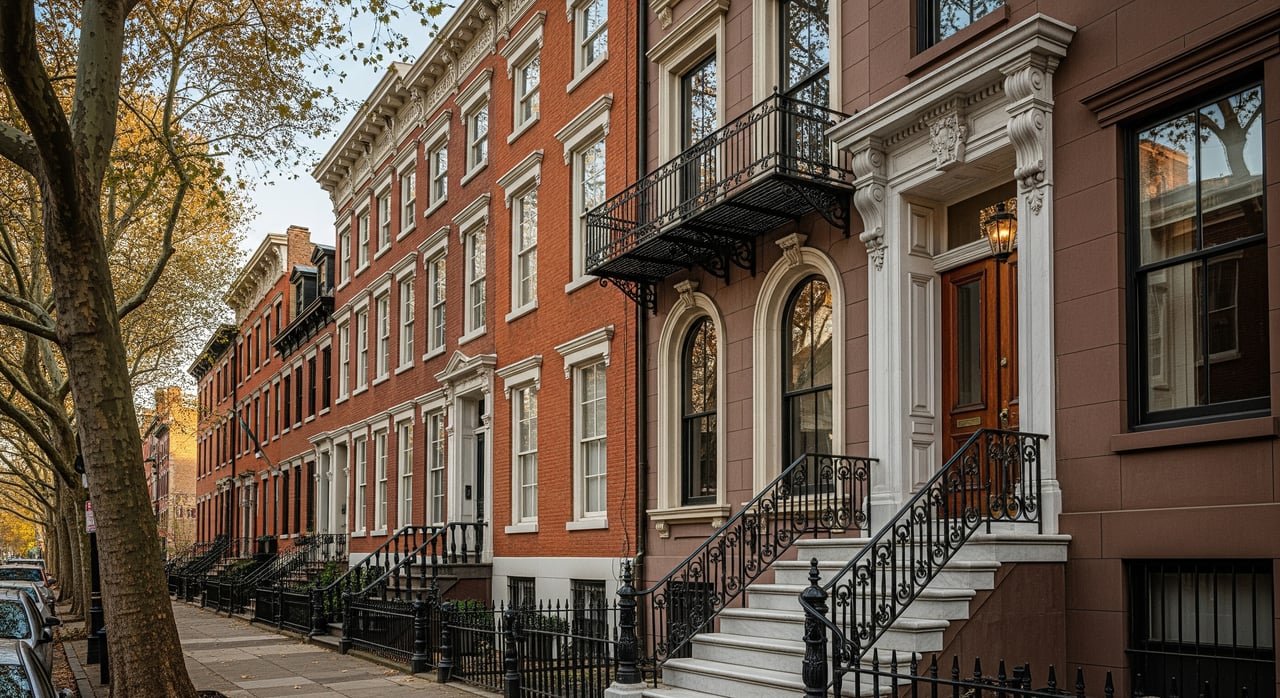
Looking at Philadelphia rowhomes and wondering what all the different facades, bays, and cornices really mean for you as a buyer? You are not alone. With blocks built from the late 1700s through the early 1900s, Philly’s most iconic homes pack serious character along with age-related considerations. In this guide, you will learn how to identify the major rowhome styles, where they cluster, what to watch for during inspections, how renovations and permits work, and which financing can help you buy with confidence. Let’s dive in.
What makes a Philly rowhome
Philadelphia’s rows are attached houses that share party walls and line up in continuous blocks. Most were built before 1940, so you will see historic details and older building systems. Brick facades dominate, with wood or metal cornices at the roofline and parapet walls along the edges. Flat roofs are common and often use built-up or membrane coverings.
Because the housing stock is older, it is smart to balance charm with practical concerns. Expect narrow floor plans in early houses, potential stair constraints, and aging mechanicals. Roof decks are popular but require proper permits and structural review.
How to spot rowhome styles
Federal and Georgian (c. 1780s–1840s)
- Exterior: Simple, symmetrical brick fronts, flat or low-pitched roofs behind parapets, narrow windows with stone or wood lintels, modest cornices.
- Interior: Typically a formal front parlor and a rear parlor with a narrow stair and small yard.
- Where you find them: Society Hill, Old City, parts of Queen Village.
Greek Revival (c. 1825–1860)
- Exterior: Door surrounds with pilasters and entablatures, transom windows over doors, heavier cornices.
- Where you find them: Society Hill, Old City, pockets of West and South Philadelphia.
Italianate (c. 1840s–1880s)
- Exterior: Taller, vertical proportions, decorative brackets under wide cornices, arched or narrow tall windows. Some rows include projecting bays.
- Where you find them: South Philadelphia, Graduate Hospital and Washington Square West, parts of Brewerytown and Fairmount.
Second Empire / Mansard (c. 1860s–1880s)
- Exterior: Distinctive mansard roof with dormer windows, ornate cornices, and occasional stone accents.
- Where you find them: Fairmount, parts of Center City, West Philadelphia.
Queen Anne and Late Victorian (c. 1880s–1900)
- Exterior: Asymmetry, projecting bays, decorative brickwork, varied rooflines and window patterns. Porches are common.
- Where you find them: West Philadelphia, Germantown, parts of South Philadelphia.
Edwardian / Early 20th Century Vernacular (c. 1900–1930)
- Exterior: Simpler, broader proportions than Victorian rows, standardized brickwork, modest ornament, and frequent front porches.
- Where you find them: West Philadelphia, parts of Northeast and North Philadelphia.
Philadelphia “Trinity” houses (19th–early 20th century)
- Exterior and plan: Extremely narrow, usually 10–14 feet wide, and often three stacked floors with compact rooms. Many have a very small or no rear yard.
- Where you find them: Center City enclaves like Old City and Queen Village, plus parts of South Philadelphia.
Stoop-front vs. at-grade rows
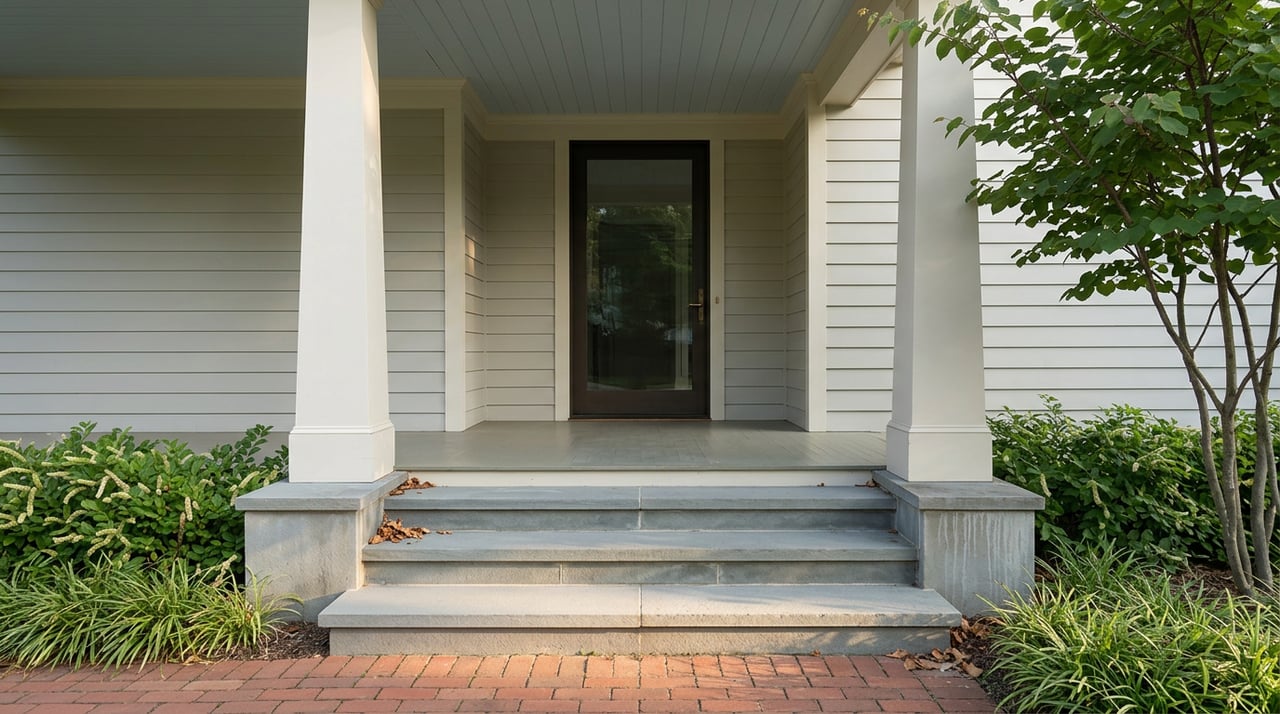
- Stoop-front: Elevated entries reached by steps, common in Center City and South Philadelphia.
- At-grade or porch rows: Ground-level entries, often with full-width porches, frequent in West and North Philadelphia.
Where styles cluster
- Center City, Old City, Society Hill: Early Federal and Greek Revival townhouses and trinity houses. Smaller footprints with premium walkability.
- South Philadelphia: Dense brick stoop blocks with a mix of early worker housing and Victorian details. Many homes have front stoops and small rear yards.
- West Philadelphia: Larger Victorian and early 20th century rows with bay windows and porches. Many have bigger room sizes and some multi-unit conversions.
- Fishtown, Northern Liberties, Brewerytown: Late 19th and early 20th century rows. Many have seen recent renovations that appeal to urban buyers.
- Germantown, Mt. Airy: Architecturally rich stock that includes stone rows and larger homes on some lots.
- Graduate Hospital, Fitler Square, Rittenhouse: Renovated Italianate and late Victorian rows that command higher pricing relative to many other areas.
What to check during tours and inspections
Buying a rowhome means paying close attention to shared walls, roofs, and drainage. A licensed home inspector is essential, and specialists may be needed based on findings.
Structure and exterior
- Party walls: Look for cracks, bulges, and any signs of water intrusion at parapets. Ask about party wall agreements when structural work is planned.
- Foundations: Older stone or brick foundations can show moisture, bowing, or spalling mortar. Note any past repairs.
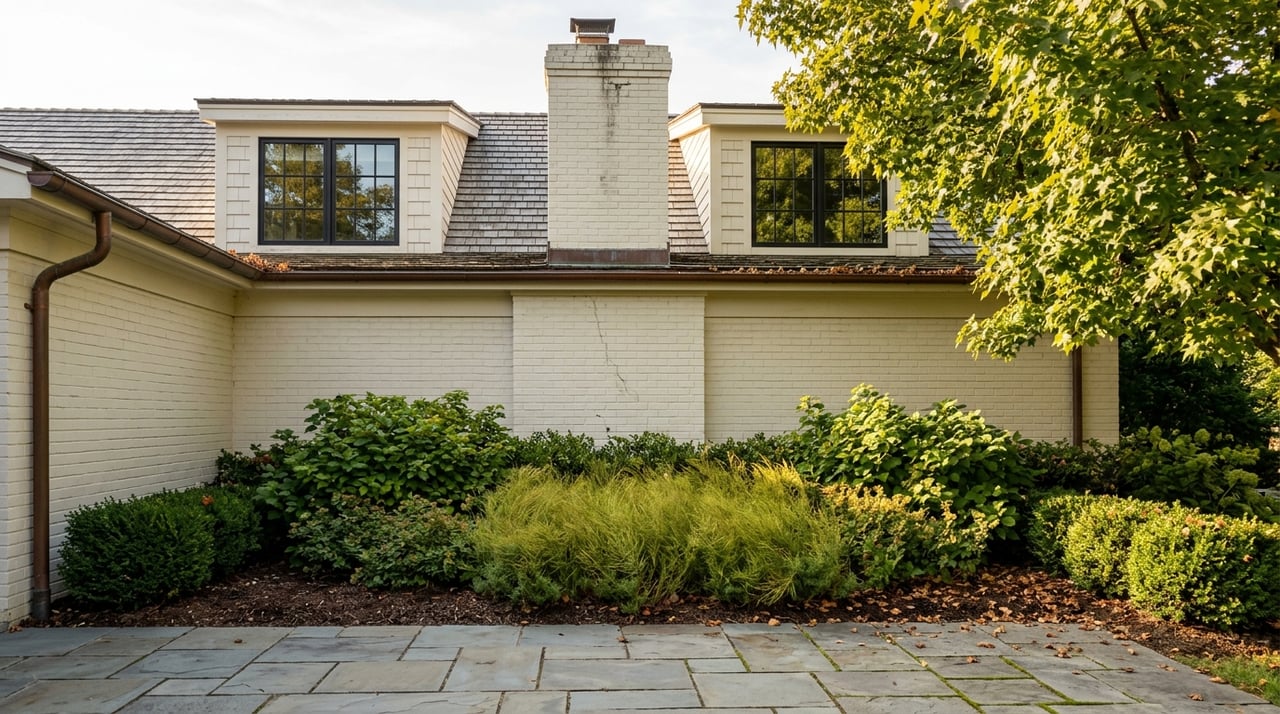
- Parapets and cornices: Failing flashing and aging cornices are common leak sources.
- Flat roofs: Ask about the roof type, age, and last replacement date.
Mechanical and systems
- Electrical: Older wiring and undersized service are common in pre-1950 homes. Knob-and-tube may still exist in places.
- Plumbing: Galvanized steel supply lines or older cast iron and lead components are common. The sewer lateral condition matters.
- HVAC: Ducted systems can be hard to fit in narrow houses. Minisplit systems are a practical alternative.
- Energy: Solid masonry walls and party walls are often uninsulated. Single-pane windows can affect comfort and costs.
Health and safety
- Lead-based paint: Likely in homes built before 1978. Professional testing is recommended.
- Asbestos: Possible in old pipe insulation, floor tiles, or ceiling materials. Test if suspected.
- Moisture and mold: Basements and rear yards with poor drainage can show issues.
- Chimneys: Confirm current condition and intended use.
Permits, zoning, and historic rules
Working on a Philadelphia rowhome usually involves city approvals. The Department of Licenses & Inspections issues permits and records violations. The zoning code governs allowed uses and additions, including rear extensions and roof decks. Open violations or unpermitted work can affect financing and resale.
If a property sits in a historic district or is individually designated, exterior changes often need review by the Philadelphia Historical Commission or a local Historic Architectural Review Board. This can include windows, doors, stoops, cornices, porches, and rooftop additions. Plan timelines accordingly and confirm requirements before making offers that assume quick renovations.
Party walls are shared structures. Structural work that affects a party wall may require neighbor cooperation or formal agreements. Build time for coordination into your plan.
Renovation ideas and budgets
Many buyers modernize kitchens and baths, explore finishing basements, or add outdoor living. Some pursue rear additions or a roof deck if zoning and structure allow. Always verify permit needs before committing to a plan.
Typical ranges in Philadelphia vary by scope and finishes. Get written estimates from local contractors and confirm permit requirements. As a general guide:
- Cosmetic refresh: Paint, floors, and minor repairs can run about $10,000 to $30,000.
- Kitchen or bathroom remodel: Often $20,000 to $75,000 based on size and materials.
- Basement finish: Commonly $30,000 to $100,000 depending on egress, ceiling height, and systems.
- Full gut rehabilitation: Frequently $150,000 to $300,000 or more when structure, systems, and finishes are involved.
- Structural repairs: Foundations, parapets, or major roof work can add significant cost, so budget separately.
Note that finished basements must meet egress and ceiling height rules to be used as living space. Window replacements in historic districts may require in-kind materials. Roof decks and dormers need permits and may need historic review.
Financing options
You can finance move-in ready homes with conventional loans. If you plan to renovate, consider programs that combine purchase and rehab costs:
- FHA 203(k): A federal program that wraps renovation costs into one mortgage for eligible buyers and projects.
- Fannie Mae HomeStyle Renovation: A conventional option that finances approved renovations with the purchase.
- Local grants and loans: City or community programs sometimes support repairs or energy upgrades. Availability and eligibility change over time.
- Energy efficiency and weatherization: State and local providers can help with insulation, HVAC, and related improvements.
Confirm current program details with lenders and agencies, since requirements and funding can shift.
Resale factors that matter
Features that often boost marketability include updated kitchens and bathrooms, added living area from a permitted basement or rear addition, and usable outdoor space like a legal roof deck or patio. Parking or off-street options are valuable where supply is limited. Many buyers appreciate preserved historic details paired with updated systems and energy efficiency upgrades.
Risk factors include open violations, unpermitted work, significant deferred maintenance, and noise exposure near busy corridors. Before listing or buying, verify the property’s permit and violation history with city records.
Pre-offer checklist
Use this quick list to focus your pre-offer research:
- Confirm current zoning and permitted uses.
- Check the property’s status with Licenses & Inspections for open permits or violations.
- Verify if the home is in a historic district and learn what exterior changes require approval.
- Review recent sales on the same block and in the immediate area.
- Ask the seller for 12 months of utility bills to gauge operating costs.
Inspection and negotiation game plan
- Hire a licensed home inspector and add specialists as needed for structure, roof, electrical, plumbing, HVAC, sewer lateral, and environmental testing.
- Focus on big-ticket items first: foundation, party walls, roof and flashing, moisture, and active leaks.
- Use the report to negotiate repairs, credits, or a price adjustment. Confirm that any agreed repairs requiring permits are completed and inspected before closing or set aside funds in escrow.
- Make sure any required occupancy or completion certificates will be delivered at closing.
Your next step
If you want a smart plan for buying a Philadelphia rowhome, you need both neighborhood context and a clear view of risk, permits, and renovation math. Our team blends residential guidance with investment-minded analysis so you can spot value and avoid surprises. When you are ready, connect with Philly Home Advisors | Philly CRE Advisors to map your search, review due diligence steps, and move forward with confidence.
FAQs
What is a Philadelphia trinity house and who should consider one?
- A trinity is a very narrow, three-level rowhouse with compact rooms and minimal yard space, best for buyers who value historic charm and efficient living.
How hard is it to add a roof deck on a Philadelphia rowhome?
- Roof decks can be feasible with proper permits, structural review, and zoning compliance, and may need historic review if the property is designated.
Do I need approval to replace windows in a historic district in Philadelphia?
- Yes, exterior work in historic districts often requires review by the Philadelphia Historical Commission, and in-kind materials may be required.
What are the most common roof issues on Philadelphia rowhomes?
- Flat roof age, flashing failures at parapets, and deteriorated cornices are frequent problems that can lead to leaks and interior damage.
Which financing helps buy and renovate a fixer rowhome in Philadelphia?
- Buyers often use FHA 203(k) or Fannie Mae HomeStyle Renovation loans to combine purchase and rehab costs into one mortgage, subject to eligibility.