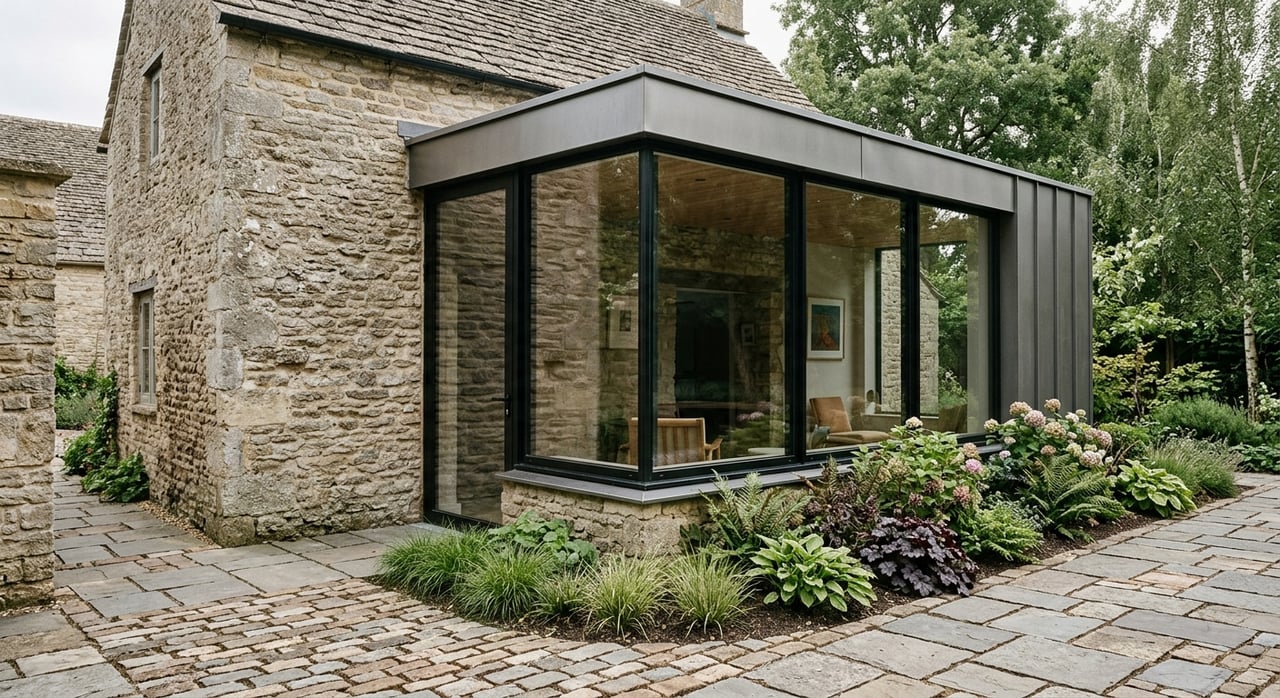
Are you drawn to original millwork and walkable borough streets, or do you want a home that feels move-in ready from day one? If you are shopping in Bucks County, that choice is not just about style. It can affect your budget, your renovation plans, and even what kinds of exterior changes you may be allowed to make. This guide will help you compare historic charm and new construction in Bucks County so you can focus on the fit that makes the most sense for your life. Let’s dive in.
Bucks County offers both old and new
Bucks County is not a market where every home feels historic. According to the Delaware Valley Regional Planning Commission’s 2025 housing profile, less than 10% of homes in Bucks County were built before 1940, while more than 40% were built after 1980. That means you are choosing within a mixed housing market, not between two equal countywide categories.
That mix matters because “historic charm” is often concentrated in specific places, while newer homes are more common in township-scale suburban areas. Bucks County also has a high owner-occupied housing rate of 78.0% for 2019 through 2023, which helps explain why many buyers are comparing long-term livability, maintenance, and value at the same time.
Where historic charm stands out
Historic homes in Bucks County are real, but they are not evenly spread across the county. The county’s blight analysis identifies municipalities such as Langhorne Borough, Riegelsville Borough, Bristol Borough, Newtown Borough, and Langhorne Manor Borough among the places with the highest shares of housing built before 1939.
If you want period character, your search usually needs to be location-specific from the start. In practice, buyers often focus on boroughs and long-established communities where older homes and preserved streetscapes are more common.
Doylestown Borough
Doylestown Borough has an official historic-district overlay, and its Historic Architectural Review Board reviews exterior building changes, additions, new construction, demolition, and signs within the district. The borough is also known for its museums, restored art-deco theater, and strong downtown identity.
For you as a buyer, that can mean a distinctive setting and a home that feels connected to a well-defined borough center. It can also mean more review when you want to change exterior features visible from public ways.
New Hope Borough
New Hope Borough established its historic district and HARB in 1987. The borough requires a Certificate of Appropriateness for erecting, reconstructing, altering, restoring, demolishing, or razing structures in the district.
If you are looking for charm, New Hope often appeals because of its riverfront setting, compact town-center pattern, and collection of historic inns and homes. If flexibility is your top priority, though, it is important to understand the review process before you buy.
Newtown Township
Newtown Township describes itself as preserving the colonial charm of a 300-year-old community through planning and historic-district classification. Its HARB helps protect historically and architecturally significant structures.
That can be appealing if you want a home in a setting where preservation is part of the community’s long-term vision. It also means the look and feel of the area is shaped by rules, not just by market demand.
What “historic charm” can really mean
In Bucks County, historic charm does not refer to one house style. The county comprehensive plan describes architecture that includes Postmedieval English, Georgian, Adams, Federal, Greek Revival, Gothic Revival, Victorian, Prairie, Craftsman, and Modern styles.
That variety gives you more options, but it also means no two older homes have the same tradeoffs. One home may offer strong curb appeal but need major system updates. Another may have better systems but a layout that still reflects an earlier era.
Where newer construction is more common
Newer construction in Bucks County tends to cluster outside preserved borough cores. The county blight report notes that central-county townships contain extensive newer suburban subdivisions of single-family homes and townhomes outside prosperous core communities such as Doylestown, Newtown, and New Hope.
Middletown Township’s growth pattern is a good example of this suburban development story. Its comprehensive plan traces much of its growth to Levittown, a 22-square-mile development with 17,300 homes that helped shape a more automobile-dependent suburban pattern.
For you, newer construction often means looking in township-scale communities rather than historic main streets. These homes may offer more standardized floor plans, newer systems, and a different day-to-day lifestyle than a borough property.
Why many buyers choose historic homes
Historic homes usually win buyers over on feel. You may love original details, mature streetscapes, or the sense of place that comes with a long-established borough or river town.
In Bucks County, that appeal often goes hand in hand with a recognizable community identity. In places like Doylestown, New Hope, and parts of Newtown, the setting can be just as important as the house itself.
Historic-home advantages
- Architectural detail and period character
- Established streetscapes and older community fabric
- Access to borough or town-center settings in some locations
- A distinctive sense of place that newer subdivisions may not replicate
Why many buyers choose new construction
Newer homes often appeal for practical reasons. If you want a more predictable ownership experience, a modern layout, and fewer immediate repair questions, newer construction may feel simpler.
DVRPC describes Bucks County’s housing stock as relatively new compared with the region, and the county’s rental vacancy rate was 3.1% in 2022. That points to a generally tight housing environment, not a broad oversupply of new homes, so the newer-build option is still part of a competitive suburban market.
New-construction advantages
- More standardized layouts
- Fewer near-term questions about aging major systems
- A design that may align better with current kitchen, bath, and flow preferences
- Less likelihood of preservation review compared with homes in historic districts
The biggest tradeoff is often maintenance
When buyers compare old versus new, maintenance is often where the decision gets real. Bucks County’s blight analysis notes that pre-1939 housing may require complete replacement of electrical, plumbing, heating, and roofing systems.
Older homes can also have functional obsolescence, such as awkward room flow or outdated kitchen and bath layouts. That does not mean you should avoid older homes. It means you should budget for more than what is visible during a quick showing.
Questions to ask with an older home
- How old are the electrical, plumbing, heating, and roofing systems?
- Has the home been updated, and if so, when?
- Does the current layout match how you want to live?
- Are cosmetic improvements hiding larger deferred maintenance items?
Historic-district rules can affect your plans
In Bucks County, some of the most charming homes are in areas with preservation oversight. Under Pennsylvania’s Historic District Act, municipalities can create local historic districts and require Certificates of Appropriateness before exterior alteration or demolition.
In Doylestown and New Hope, review generally applies to exterior features visible from public ways. Interior work is generally outside HARB jurisdiction. If you are planning to change windows, build an addition, alter siding, or make other visible exterior updates, those rules should be part of your decision.
Tax-credit expectations should stay realistic
Many buyers assume a historic home automatically comes with homeowner tax breaks. In Pennsylvania, that is usually not the case.
According to the Pennsylvania Historical & Museum Commission, the state’s historic tax-credit programs are for certified historic buildings in income-producing use, and there are no tax-credit programs for private homeowners. If you are buying a historic residence for your own use, it is wise to focus on the home’s real costs and benefits rather than expected credits.
Budget matters more than the list price
When you compare a period home with a newer one, the purchase price is only part of the picture. DVRPC estimates Bucks County’s median home value at $427,500 in 2022 and says a household needed about $60,320 to afford the median-value home under its assumptions.
That benchmark is useful because it shows why renovation budgets matter. A charming older home may have a similar entry price to a newer property in another part of the county, but your total cost picture can look very different once system updates, exterior review requirements, or layout changes enter the conversation.
How to decide what fits you best
The right answer usually comes down to your tolerance for tradeoffs. If you care most about period architecture, borough character, and a home with a strong sense of place, an older property may be worth the added planning.
If you care most about layout efficiency, fewer age-related repair questions, and a more standardized ownership experience, newer construction may be the better fit. In Bucks County, this is less about old versus new in theory and more about matching the home, the municipality, and your comfort level with maintenance and oversight.
A simple decision checklist
Choose historic charm if you value:
- Original architecture and distinctive exterior character
- Established borough or river-town identity
- The experience of living in an older home, even with more upkeep
- A willingness to work within exterior-review rules when applicable
Choose new construction if you value:
- Modern layouts and more standardized finishes
- Fewer immediate concerns about major systems
- Greater renovation flexibility outside historic-review settings
- A suburban township setting over a preserved borough core
If you want help weighing these factors in real neighborhoods across Bucks County, the team at Philly Home Advisors can help you compare options with a clear, data-informed strategy.
FAQs
What makes a home feel historic in Bucks County?
- In Bucks County, historic character often comes from both the home’s age and style and whether it sits in a local historic district with exterior-review rules.
Where are historic homes more concentrated in Bucks County?
- Older housing is more concentrated in certain municipalities, including places such as Langhorne Borough, Riegelsville Borough, Bristol Borough, Newtown Borough, and Langhorne Manor Borough rather than evenly across the county.
Where is new construction more common in Bucks County?
- Newer homes are more commonly found in township-scale suburban growth areas and subdivisions outside preserved borough cores.
Do historic districts in Bucks County affect renovations?
- Yes. In local historic districts, exterior changes visible from public ways may require HARB review and a Certificate of Appropriateness, while interior work is generally outside HARB jurisdiction.
Do private homeowners get Pennsylvania historic tax credits in Bucks County?
- No. Pennsylvania’s historic tax-credit programs are for certified historic buildings in income-producing use, not for private homeowners.
Are older homes in Bucks County always a bad investment?
- Not necessarily. Older homes can offer strong character and location appeal, but you should evaluate maintenance needs, system age, layout, and any historic-district rules before making a decision.