Thinking about trading NYC hustle for Philly’s neighborhood feel? You are not alone. Many New Yorkers look to Philadelphia for more space, a manageable pace, and a strong city culture without the premium price tag. In this guide, you will learn what changes, what stays familiar, and how to plan a smooth move. Let’s dive in.
Big-picture differences
Philadelphia is a big city with a different scale. The city has roughly 1.6 million residents compared with New York City’s 8 million plus, which affects density, transit coverage, and housing types. You will find that Philadelphia feels more neighborhood-oriented, with a strong local identity across its many districts. For population and city context, review summary data from the U.S. Census Bureau.
Lifestyle also shifts. You still get museums, major universities, pro sports, and a respected food scene, but day-to-day life tends to move at a calmer pace. Many residents own cars, though transit is widely used in core neighborhoods. If you want city energy with more breathing room, Philly delivers.
Housing market basics
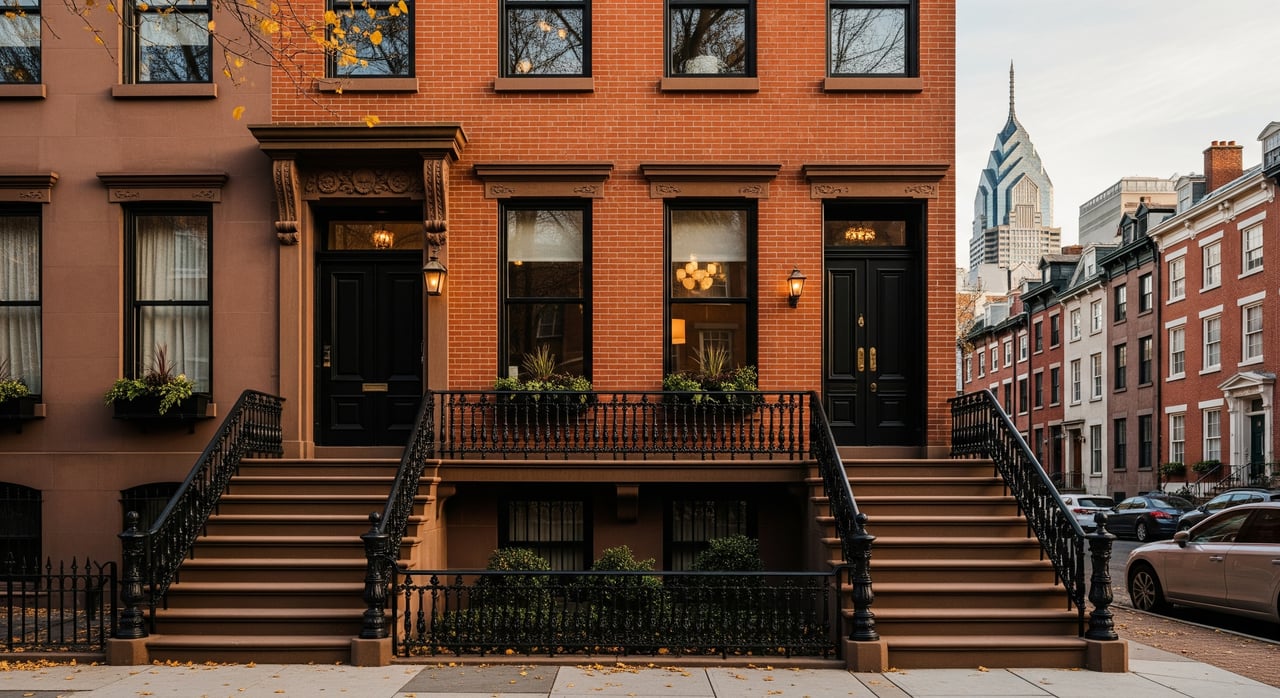
The most obvious change is cost. Purchase prices and rents are generally lower in Philadelphia than in most NYC neighborhoods. You also get more space per dollar. Expect a larger share of rowhouses and single-family homes in the city, often with a small yard or roof deck. Condos and apartments are common in Center City and Old City, but they are only part of the picture.
Buying processes share familiar steps, yet details differ. Pennsylvania uses standard home inspections and state disclosures, including lead-based paint disclosures for older homes. Co-ops are far less common here, and condo associations have their own requirements. If you are selling in NYC and buying in Philly, plan timelines carefully because NYC co-op and condo closings can take longer due to board approvals.
Buying in Philly: what to expect
- You will likely compare rowhouses, townhomes, and condos in your target area.
- Standard inspections and appraisals follow Pennsylvania norms. Build in time for repairs or credits.
- If you own investment property in NYC and want to reposition assets, talk to a tax advisor about potential strategies and timing.
Renting in Philly: what changes
- Leases and building rules vary. You may find broader pet policies and different deposit rules than in small NYC buildings.
- You usually get more square footage for similar rent compared with many NYC neighborhoods.
- Assess commute options and parking before you sign, especially if you plan to own a car.
Cost of living and taxes
Overall living costs tend to be lower in Philadelphia. The biggest savings often come from housing. Utilities, parking, and insurance depend on neighborhood and property type.
Taxes change in key ways:
- Pennsylvania has a flat state income tax. Confirm current rates and filing details with the Pennsylvania Department of Revenue.
- Philadelphia levies a resident wage tax, and nonresidents who work in the city pay a different wage tax rate. See the City of Philadelphia Office of Finance for wage tax information.
- NYC residents pay both New York State and NYC local income taxes. Compare requirements at the New York State Department of Taxation and Finance.
- Property tax systems differ. Philadelphia’s assessments and effective rates vary by area, and exemptions like the homestead may apply. Review specifics on city sites when you target a property.
Your bottom line depends on income mix, where you live, and whether you own. A tax professional can model your scenario and update payroll withholding to reflect a Philadelphia address and wage tax.
Neighborhoods to explore
Every neighborhood offers a distinct feel. Start with your daily routine, commute, budget, and housing style.
- Center City, Rittenhouse Square, Washington Square West: High walkability, strong dining and retail, and condo plus mixed housing options. Transit access is excellent.
- Old City and Society Hill: Historic streetscapes with galleries, restaurants, and proximity to downtown jobs. Expect a mix of condos and rowhouses.
- University City: Close to major universities and medical centers. Popular with academic and healthcare professionals; transit and bike access are strong.
- Fishtown and Northern Liberties: Vibrant dining and coffee scenes with creative energy and a mix of newer condos and traditional rowhouses.
- Manayunk and East Falls: Riverfront vibe with a main street feel. More single-family options and trail access, plus regional rail connections.
- South Philadelphia and Graduate Hospital: Broad housing mix, known food culture, and quick access to Center City.
- Chestnut Hill and West Mount Airy: Leafy, more suburban feel in the northwest with historic homes and village-like retail.
When comparing areas, factor in walkability, transit access, green space, and your budget. Visit at different times of day to understand noise, traffic, and daily rhythms.
Safety and neighborhood research
Safety varies by neighborhood and sometimes by block. Review recent data using the Philadelphia Police Department’s resources, speak with local residents, and visit in person. Combine crime data with your lifestyle needs, commute, and budget to make a balanced decision.
Transportation and commute
Moving from NYC does not mean giving up rail. The Amtrak Northeast Corridor connects the cities with frequent service and express options that can take about 1 to 1.5 hours. Check schedules and fares at Amtrak. Commuter rail options via NJ Transit and connections with SEPTA can be cost-effective, but often add time and transfers.
Within Philadelphia, you will likely use a mix of transit, rideshare, and walking. The SEPTA network includes regional rail, subway lines, trolleys, and buses that reach most city neighborhoods and many suburbs. Car ownership is more common in many areas than in NYC. If you plan to park on the street, review resident permit rules and consider garages or private parking when you shop for a home. For moving-day truck parking or temporary permits, check city guidance on phila.gov.
If your job is in NYC and you plan a hybrid setup, many residents choose fewer in-office days. Price out monthly or frequent traveler rail options, then weigh time against cost.
Schools and healthcare overview
Philadelphia offers a range of public, charter, and private school options. Performance varies by school. To compare programs and enrollment rules, start with the Pennsylvania Department of Education and parent-friendly reviews from GreatSchools. Always verify current boundaries and admissions requirements.
Healthcare access is robust, with several major systems and specialists across the city. If you are switching plans, confirm provider networks and primary care availability before you move.
Moving timeline and checklist
Use this simple plan to stay on track.
8–12 weeks before
- Decide whether to rent or buy first. If selling in NYC while buying in Philly, align timelines with both agents.
- Build your budget. Include movers, deposits, closing costs, inspections, insurance, and utility connections.
- Shortlist neighborhoods. Test commute times and walk the blocks you are considering.
- Get multiple moving quotes. Confirm licensing and insurance.
4–8 weeks before
- Start address changes and mail forwarding. Update banks, subscriptions, and benefits.
- Driver’s license and registration. Review timelines and required documents with PennDOT.
- Set up utilities and internet. Ask your seller or landlord about transfer details.
- School planning. Gather transcripts, immunizations, and proof of residency.
- Insurance updates. Bind home or renters insurance and review auto coverage for your new ZIP code.
Moving week and day
- Confirm building rules. Reserve elevator windows and loading docks if needed.
- Secure any required temporary parking permits for the moving truck. Check phila.gov for guidance.
- Label and inventory. Photograph valuables for insurance and keep an essentials bag handy.
First month after
- Register to vote in Pennsylvania and update payroll withholding for the Philadelphia wage tax.
- Meet nearby neighbors and community groups. Learn local trash, recycling, and street cleaning schedules.
- If you bought a home, check any property tax exemptions you may qualify for and file on time.
Pro tips for NYC sellers
- Map your timeline. NYC co-op or condo sales can include board packages and interviews that extend closing. If you are buying in Philly, build a buffer or plan for temporary housing.
- Use pre-list prep. Staging, minor repairs, and clear photography help listings stand out in any market.
- Coordinate lending early. If you will buy before you sell, discuss financing options and contingencies with your lender and your Philly agent.
- Get tax advice. If you are selling an investment property or considering a 1031 exchange, consult your advisor on timelines and rules.
How Philly Home Advisors helps
You deserve a partner who knows the city block by block and can manage a clean, low-stress process. Our team pairs residential expertise with investment and commercial capabilities, so you get clear guidance whether you are buying a city rowhome, renting first, or mapping a sale plus purchase. We use modern marketing and data-driven neighborhood analysis to help you compare options, plan timelines, and negotiate with confidence.
Ready to talk strategy for your move from NYC to Philly? Schedule a consultation with Philly Home Advisors | Philly CRE Advisors.
FAQs
Is Philadelphia cheaper than New York City for housing?
- Yes in many cases, especially for housing. Your total savings depend on neighborhood, property type, and lifestyle choices like car ownership.
How does the Philadelphia wage tax work for residents?
- Philadelphia residents pay a wage tax on earned income. Confirm current rates and rules with the city’s Office of Finance before you update payroll.
Can I commute to NYC from Philadelphia a few days a week?
- Many people do. Amtrak is fastest and often pricier, while commuter options with transfers can save money but add time.
What are the key differences in state taxes?
- Pennsylvania uses a flat state income tax. NYC residents pay both state and city income taxes. Compare details with official state tax departments and consult a professional.
How do I research schools after I pick a neighborhood?
- Start with the Pennsylvania Department of Education for official data and use GreatSchools for parent reviews. Always verify enrollment rules directly with the district or school.
Where can I check neighborhood-level crime information?
- Use the Philadelphia Police Department’s online resources and maps, and visit the area at different times of day to get a feel for the block.
Do I need a car in Philadelphia?
- Many center neighborhoods have strong transit, biking, and walking options. Car ownership is common in other areas. Weigh your commute, parking options, and budget before deciding.